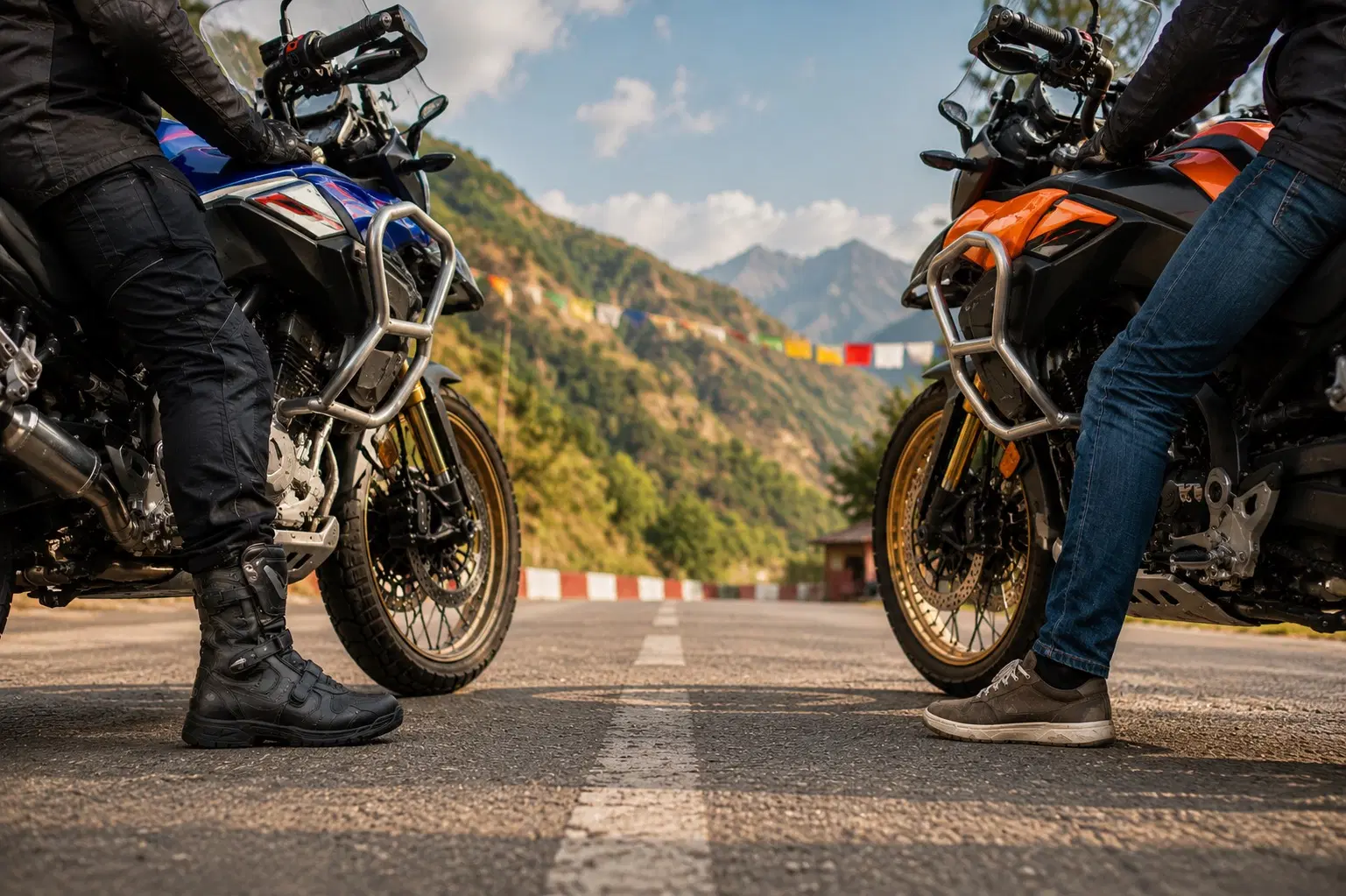
Why Motorcycle Riding Boots Protect More Than Your Feet
Learn why motorcycle riding boots improve protection, stability and control beyond what regular shoes can provide.
Motorcycle riding boots are often viewed as something reserved for long-distance touring or serious adventure riding. For many everyday riders, a comfortable pair of sneakers seems perfectly adequate for commuting or short weekend rides.
That assumption is understandable. After all, you spend most of your time sitting on the motorcycle rather than walking.
But riding boots are not simply sturdier shoes.
Like every other piece of riding gear, they are designed to solve a collection of problems that ordinary footwear was never intended to address. Once you understand those problems, it becomes much easier to appreciate why experienced riders rarely treat their footwear as an afterthought.
Riding Boots Are Part of Your Riding Equipment
When people think about motorcycle safety, helmets and jackets usually receive most of the attention. Yet your feet remain in constant contact with the motorcycle throughout every ride.
Every gear change, every application of the rear brake and every stop at a traffic signal depends on your feet.
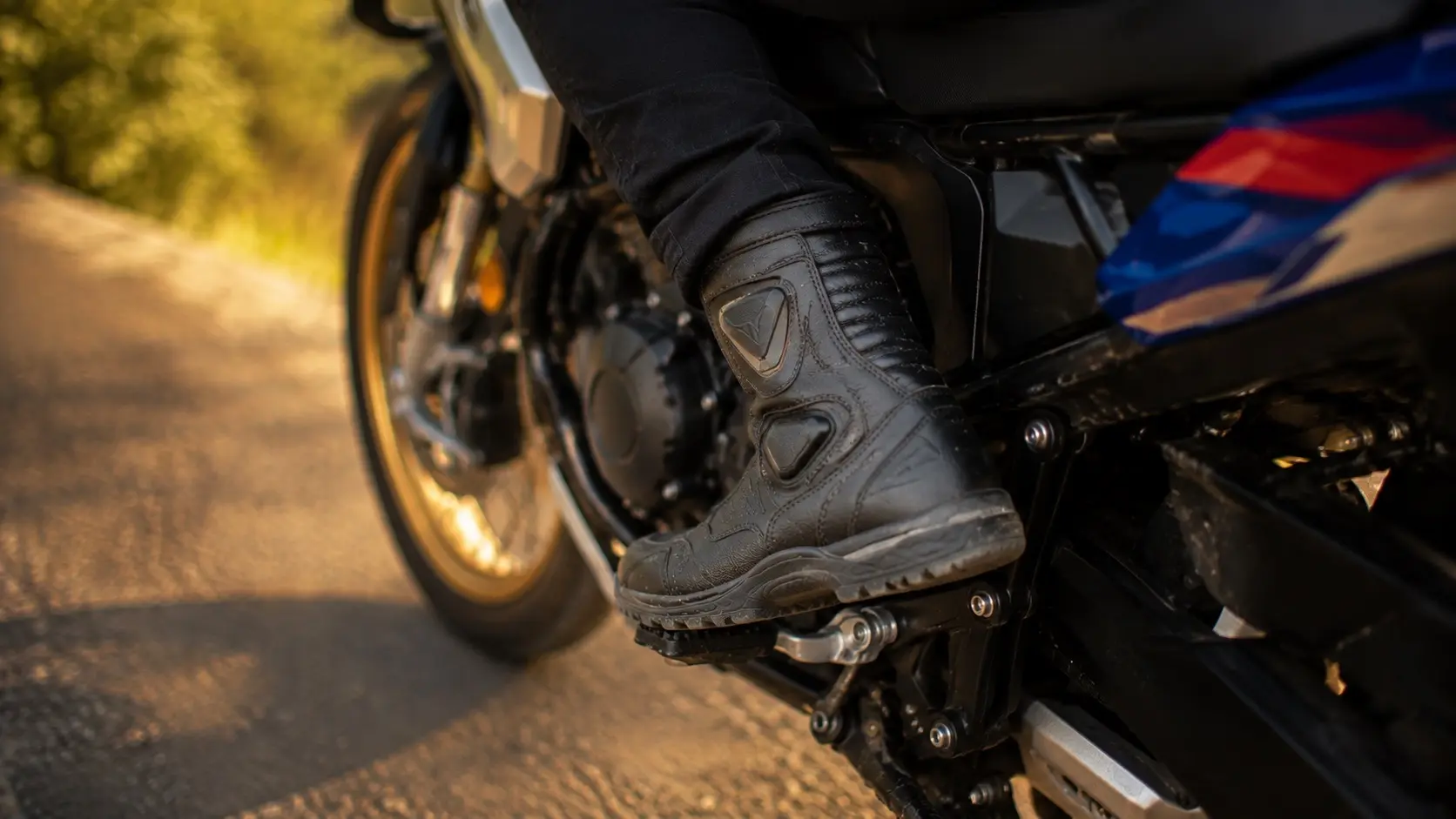
Unlike casual shoes, riding boots are designed to work with the motorcycle itself.
They provide a stable platform on the foot pegs, improve feedback through the controls and support your feet during the repeated movements that become second nature while riding.
That makes riding boots more than protective equipment.
They are part of the motorcycle’s control system.
Why Ordinary Shoes Struggle
Most everyday shoes are designed around one activity: walking.
They prioritise flexibility, lightweight construction and comfort over long periods on your feet.
Those are excellent qualities for daily life, but motorcycle riding places very different demands on your footwear.
Your feet repeatedly support the motorcycle when stopping, balance your weight while manoeuvring at slow speeds and remain planted on vibrating foot pegs for hours during longer rides.
Ordinary shoes simply were not designed with those conditions in mind.
That is why they often provide little ankle support, limited abrasion resistance and minimal protection against crushing forces if the motorcycle falls onto your foot.
Stability Matters More Than Most Riders Realise
One of the biggest advantages of riding boots becomes apparent long before an accident occurs.
A stiffer sole spreads your weight more evenly across the foot peg, reducing pressure on your feet during long rides or when standing briefly over rough roads.
The additional ankle support also makes it easier to manage heavier motorcycles while parking, turning or stopping on uneven ground.
These are small improvements individually.
Together, they reduce fatigue and increase rider confidence throughout the day.
For many experienced riders, those everyday benefits become just as valuable as the protection offered during a crash.
Protection Is Built Into Every Detail
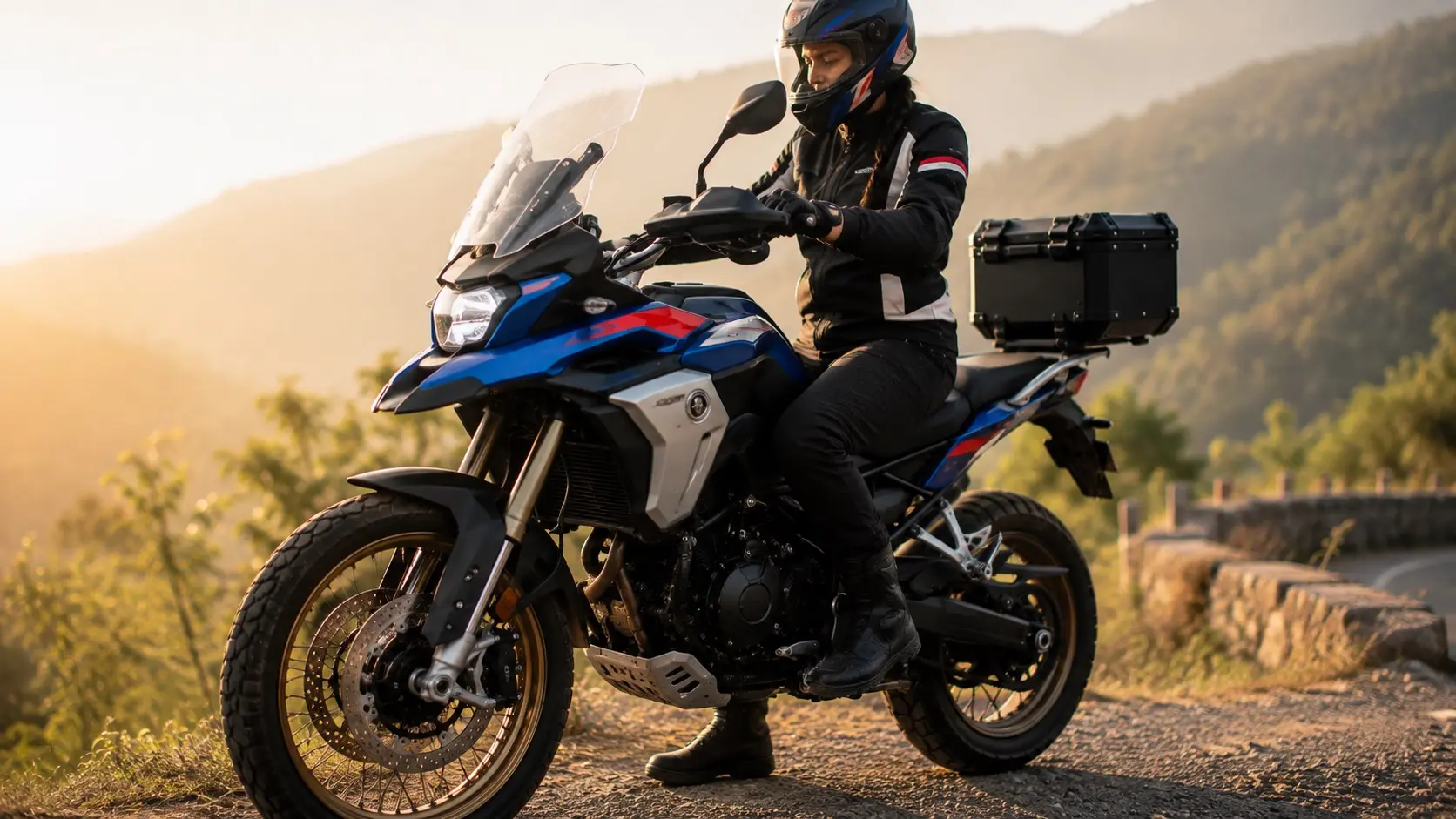
Motorcycle boots often look similar to ordinary footwear at first glance.
The important differences are found beneath the surface.
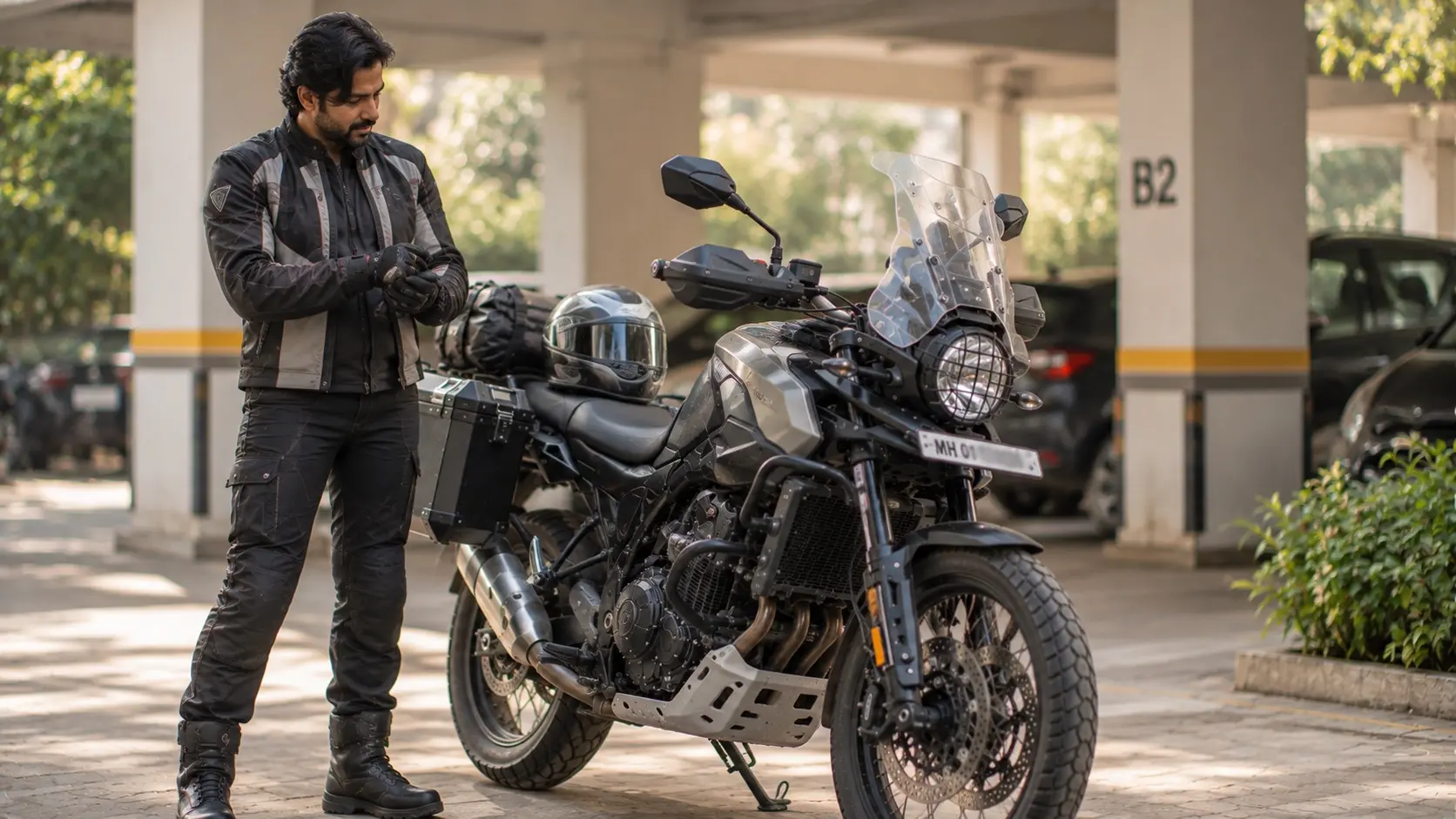
Most riding boots include reinforced toe boxes, stronger heel construction, ankle protection and soles designed to resist twisting while maintaining grip on wet foot pegs.
Many also use materials that offer significantly greater abrasion resistance than casual footwear.
None of these features exist to make the boots look more rugged.
They exist because they address common types of injury that riders experience during both low-speed falls and more serious accidents.
Choosing the Right Style for Your Riding
Not every rider needs tall adventure boots.
The best choice depends on how and where you ride.
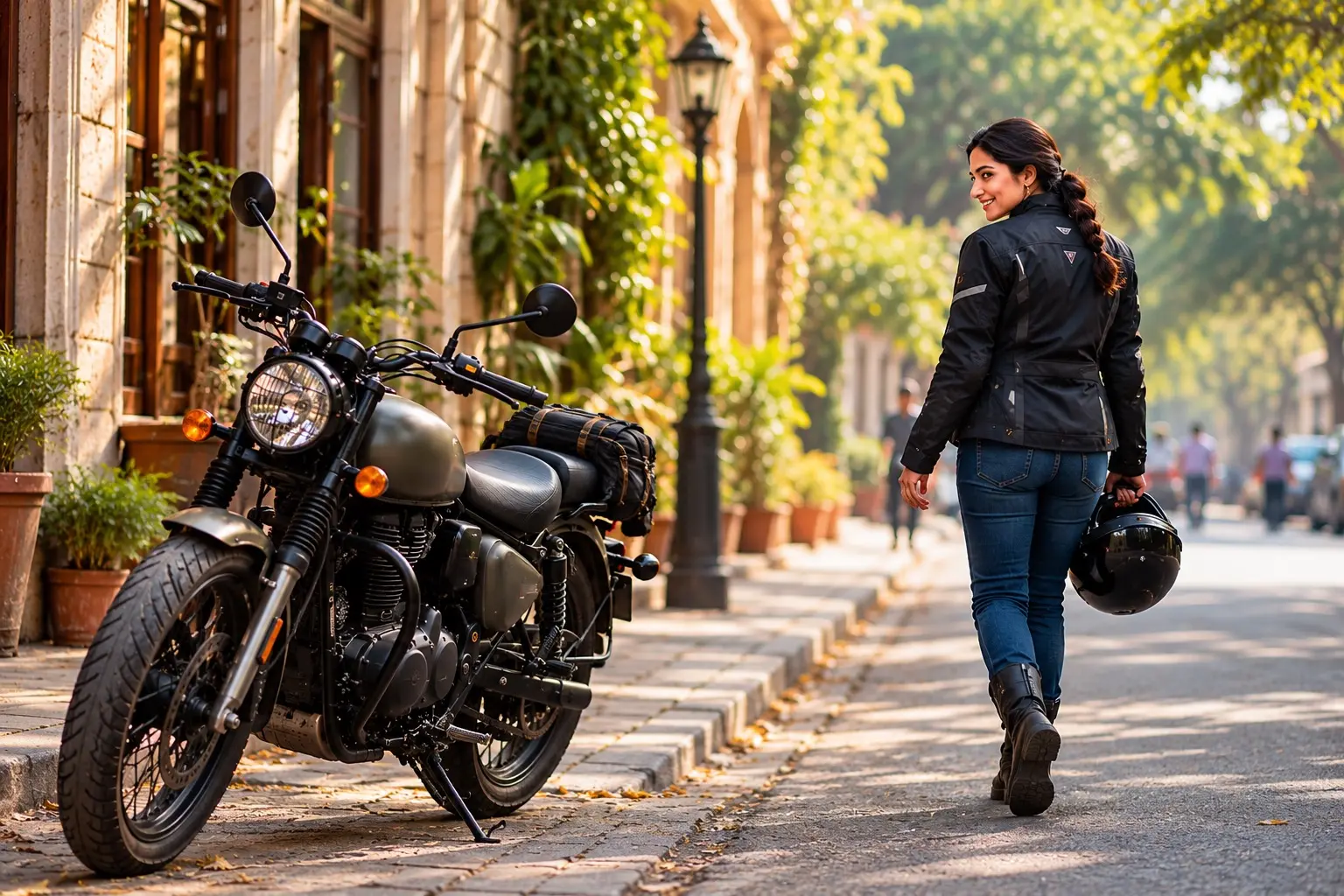
Urban riding shoes can provide meaningful protection while remaining comfortable for commuting and walking.
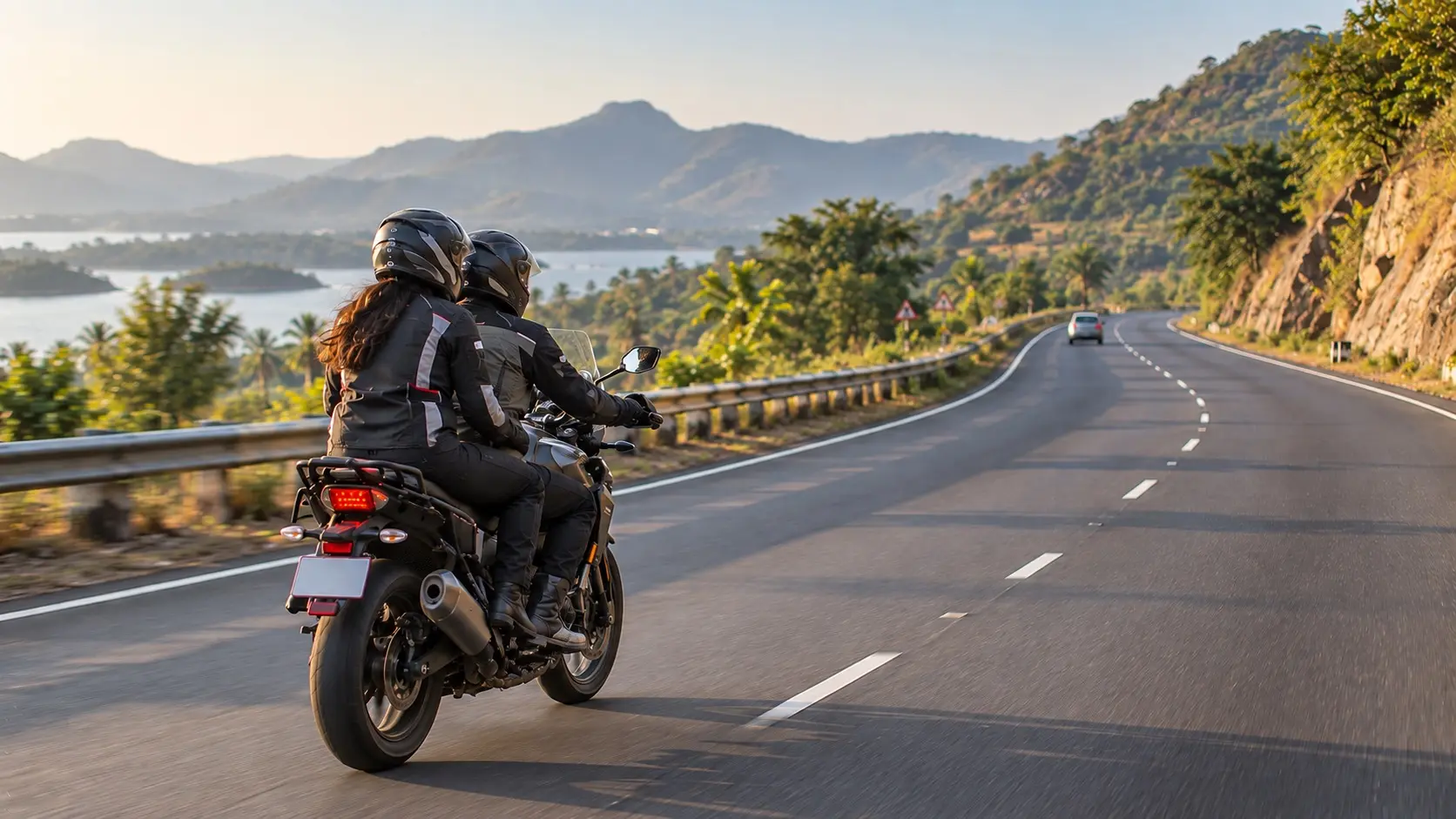
Touring riders often appreciate taller boots that offer additional support, weather protection and comfort during long days in the saddle.
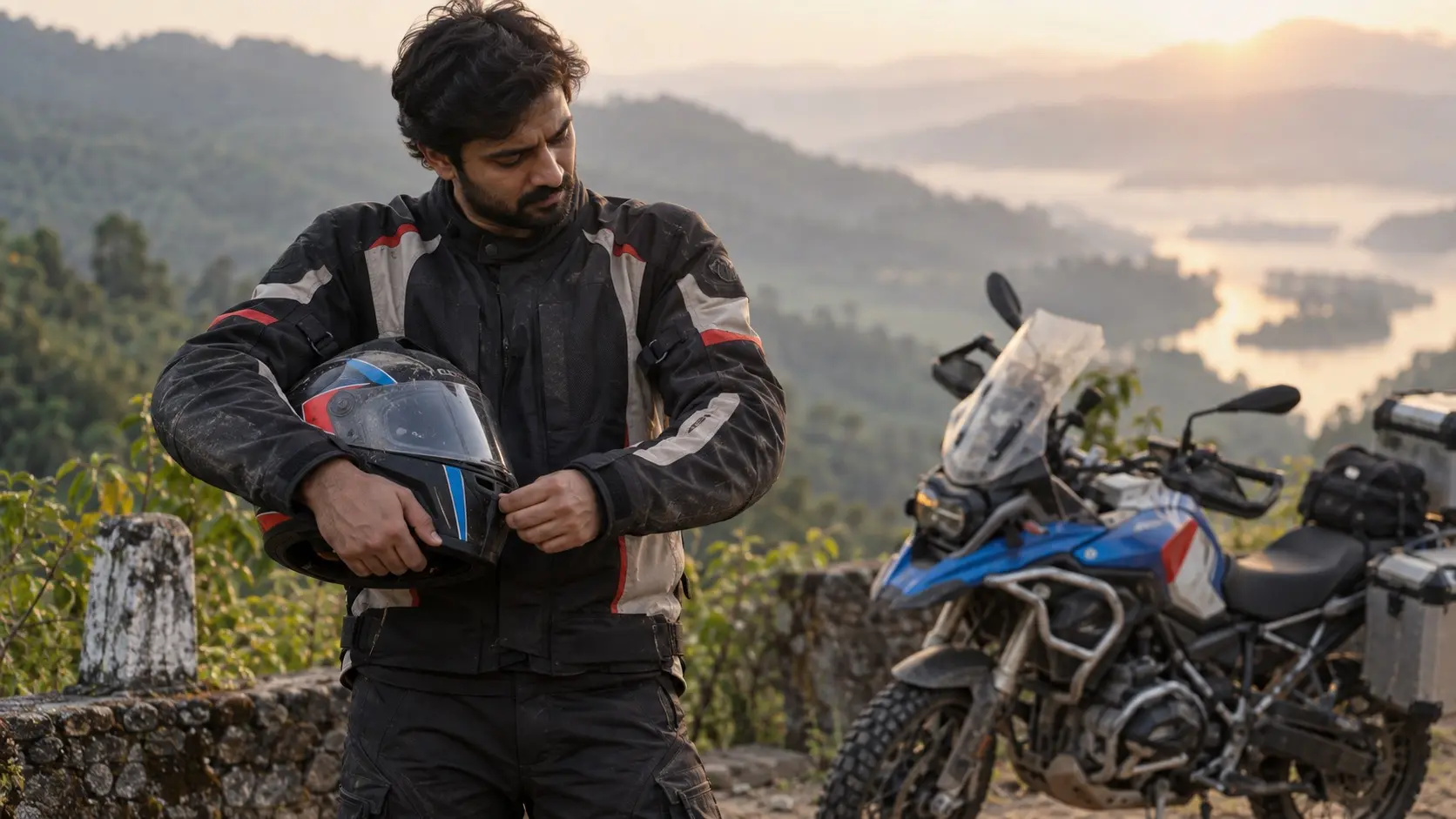
Adventure riders may benefit from even greater ankle support and sole stiffness when riding over rough terrain.
The goal is not to own the biggest or most specialised boot.
It is to wear footwear that matches the demands of your riding.
Wear Them Consistently
Even the best riding boots provide no protection if they remain at home.
That is why comfort matters.
Modern riding footwear has become lighter, more breathable and easier to wear throughout the day than many riders expect.
Finding a pair that fits well and suits your riding routine makes it far more likely that you will wear them every time you ride.
Consistency always contributes more to safety than owning specialised equipment that rarely leaves the cupboard.
Final Thoughts
Motorcycle riding boots are about far more than protecting your feet during a crash.
They improve stability, support your ankles, help you operate the motorcycle with greater confidence and reduce fatigue over long distances.
Those benefits begin the moment you leave home, not only when something goes wrong.
Like every good piece of riding gear, riding boots solve a collection of practical problems that ordinary footwear was never designed to address.
Understanding those differences is far more valuable than thinking of riding boots as simply another accessory.