Why Riders Always Look Back at Their Motorcycle
A familiar glance at a parked motorcycle reveals the quiet connection that develops between a rider and a machine over years of shared journeys.
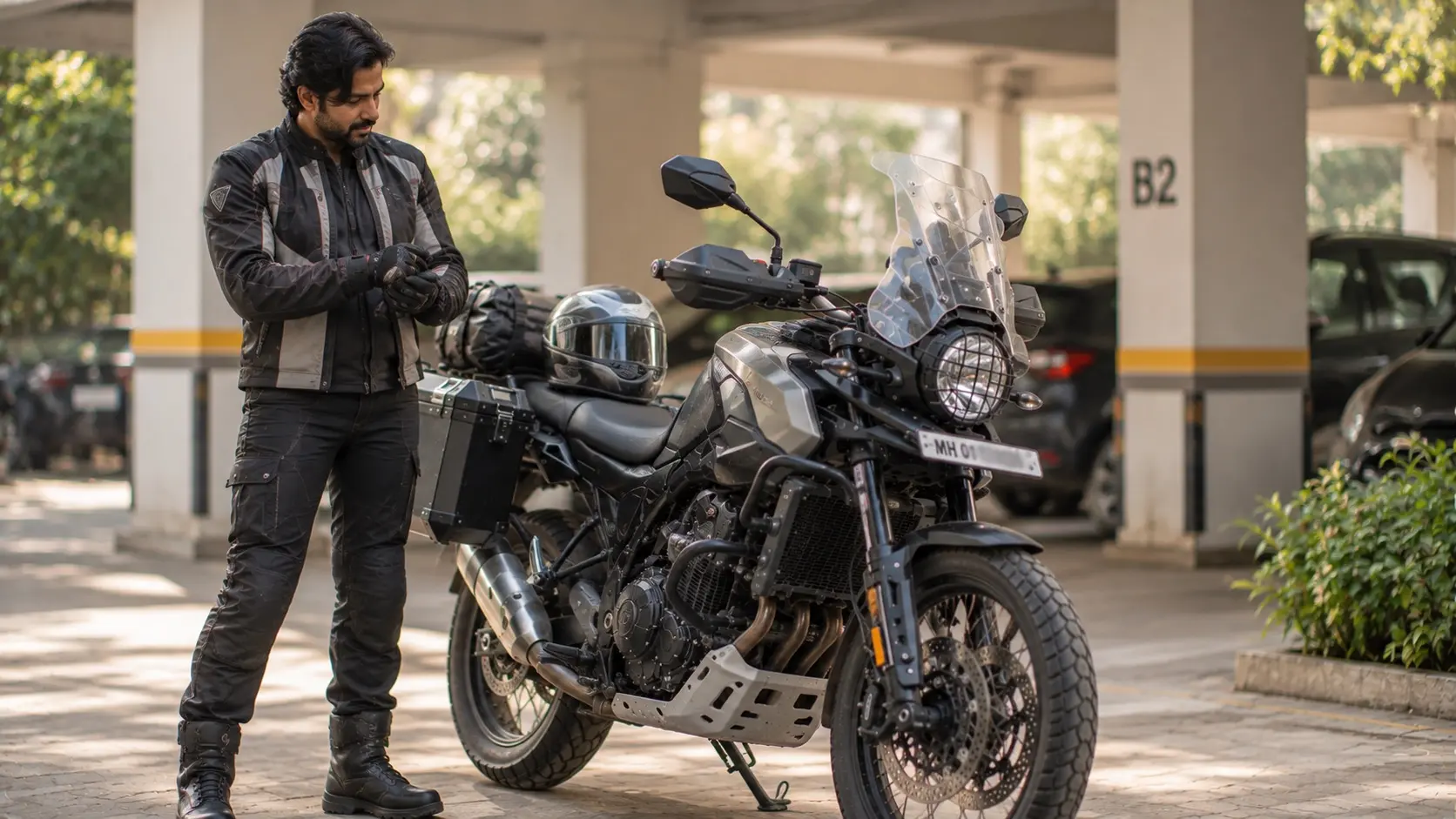
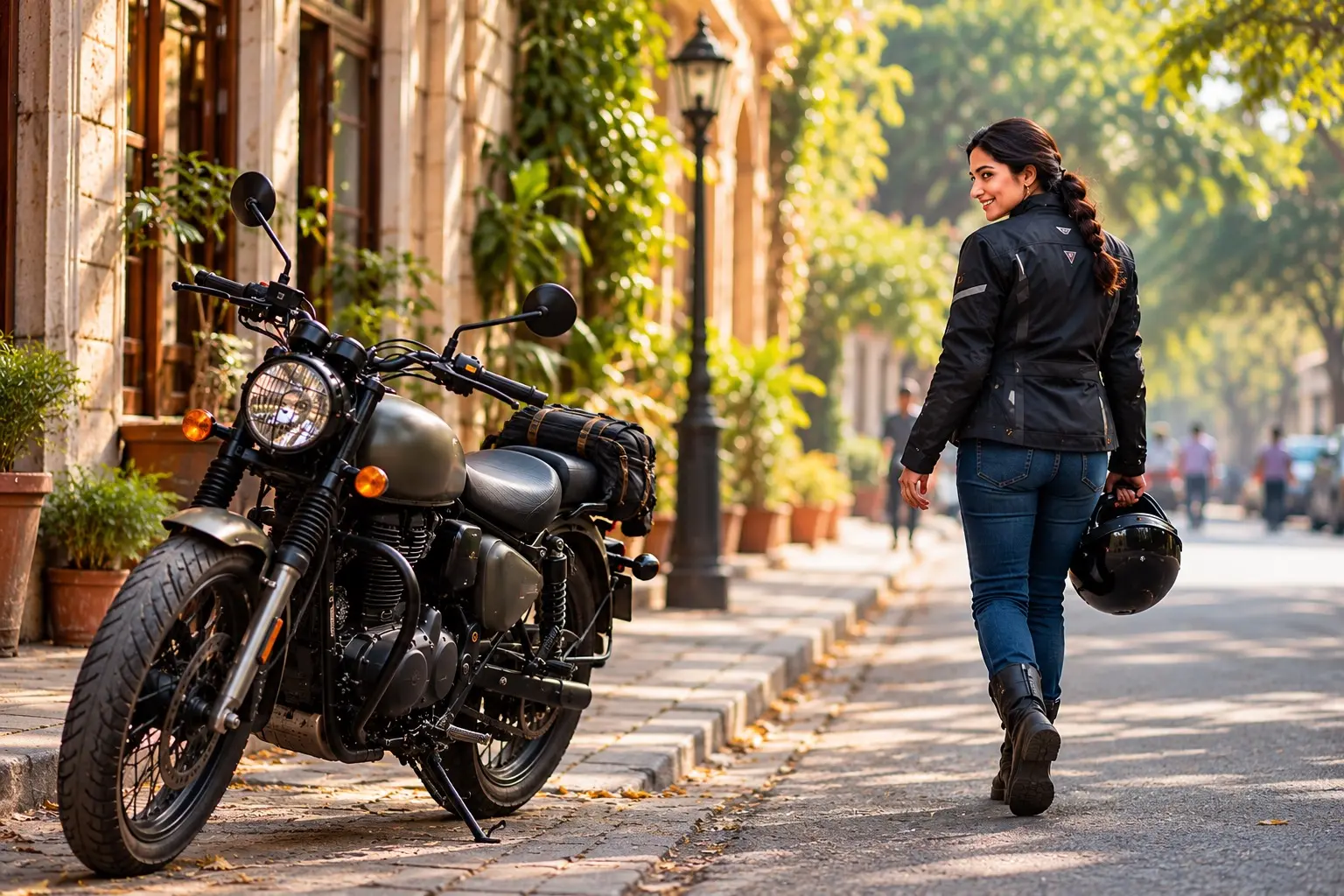
You have parked your motorcycle, switched off the engine, removed your helmet and started walking towards wherever you were going.
Then, a few steps later, you turn around.
There it is.
Perhaps you look for only a second. Perhaps you pause long enough to appreciate the way the sunlight falls across the fuel tank. You might even find yourself smiling before continuing on your way.
There was no particular reason to look back. The motorcycle was parked properly. You had already checked the side stand. Nothing needed your attention.
You simply wanted another look.
It is a small habit, familiar to many riders, and one that probably deserves a little more consideration than we usually give it.
The Glance That Needs No Explanation
Motorcyclists have a remarkable ability to admire their machines at the most ordinary moments.
A motorcycle parked outside an office can receive the same appreciative glance as one standing beside a mountain road. A quick stop at a shop might be followed by a look over the shoulder before entering. Even after a perfectly routine commute, a rider may pause to admire a machine they have seen thousands of times.
Sometimes the reason is obvious. You have just washed the motorcycle, and it looks particularly good. Perhaps you have fitted a new accessory or finally removed the layer of dust accumulated over several rides.
But the habit persists even when nothing has changed.
The motorcycle looks exactly as it did yesterday. The paint has the same little scratches. The mirrors are in their usual positions. There is no new reason to admire it.
And yet, you do.
There is something amusing about this behaviour. We rarely give the same attention to a refrigerator after closing its door or a washing machine after finishing the laundry.
A motorcycle, however, seems to invite one last glance.
More Than Admiring a Beautiful Machine
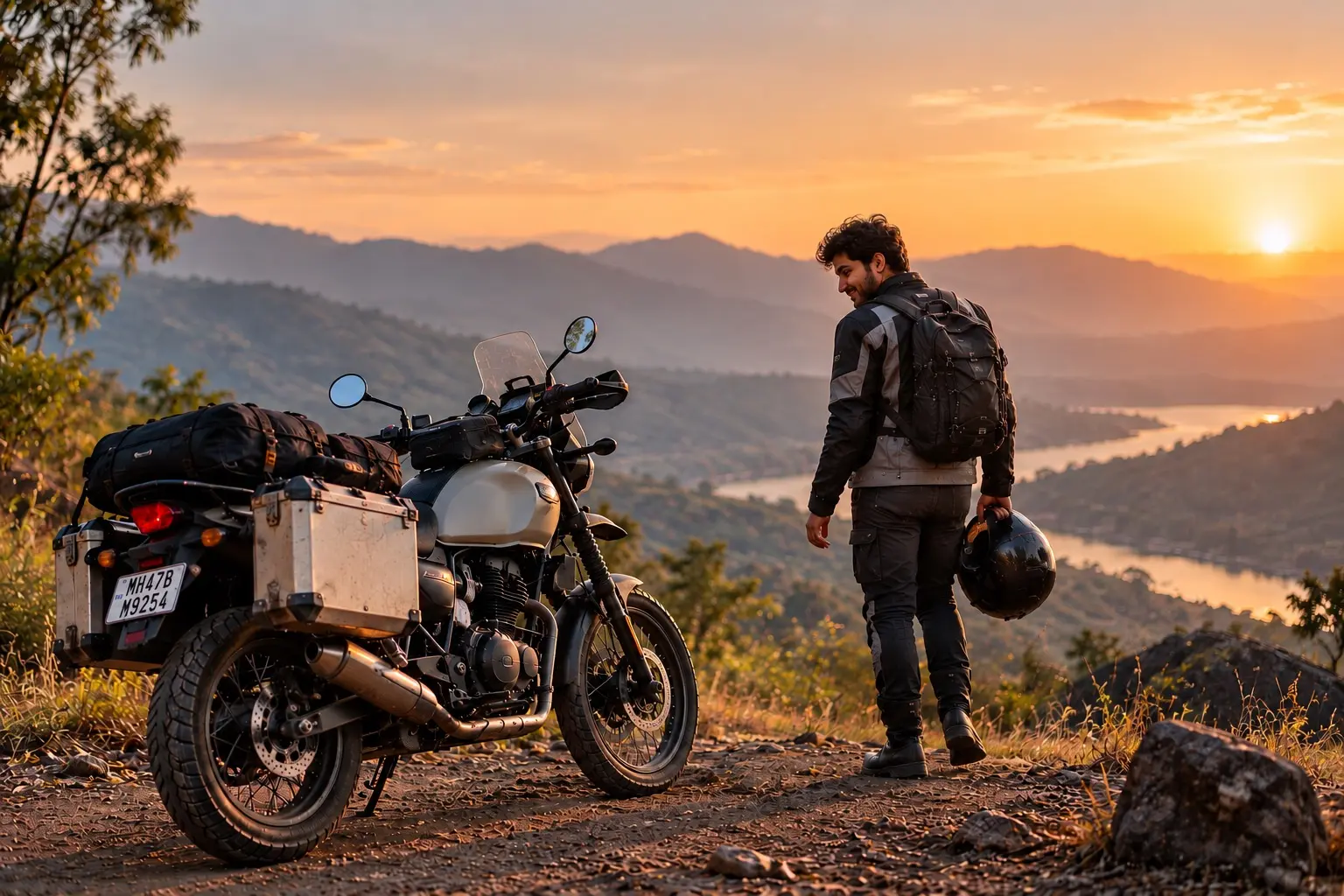
Motorcycles can be beautiful objects.
Their exposed engines, carefully shaped tanks, wheels and mechanical details give them a visual character that many other everyday machines lack. Even people who have never ridden one can appreciate a motorcycle’s appearance.
But admiring a motorcycle and looking back at your own are not necessarily the same experience.
You might spend several minutes examining an unfamiliar motorcycle in a parking area, appreciating its design or wondering how it would feel to ride.
Then you return to your own machine, which may be older, less powerful and considerably less impressive on paper.
And somehow, that is the one you look back at when you walk away.
The distinction is difficult to explain through appearance alone.
A motorcycle that has accompanied someone for years acquires a familiarity that cannot be replicated by another example of the same model. You recognise the small imperfections, the particular angle of the handlebar and the way it sits on its suspension.
It becomes recognisable not simply as a motorcycle, but as your motorcycle.
And that recognition has surprisingly little to do with what the registration certificate says.
A Relationship Measured in Kilometres
Buying a motorcycle establishes ownership. Riding it establishes something else.
The connection develops gradually, through ordinary experiences that rarely seem important while they are happening.
The first few weeks are spent learning its behaviour. You discover how the clutch responds, how much effort the brakes require and which gear feels comfortable at different speeds.
Eventually, these details become second nature.
You stop thinking about the controls and simply ride.
Then the kilometres begin to accumulate.
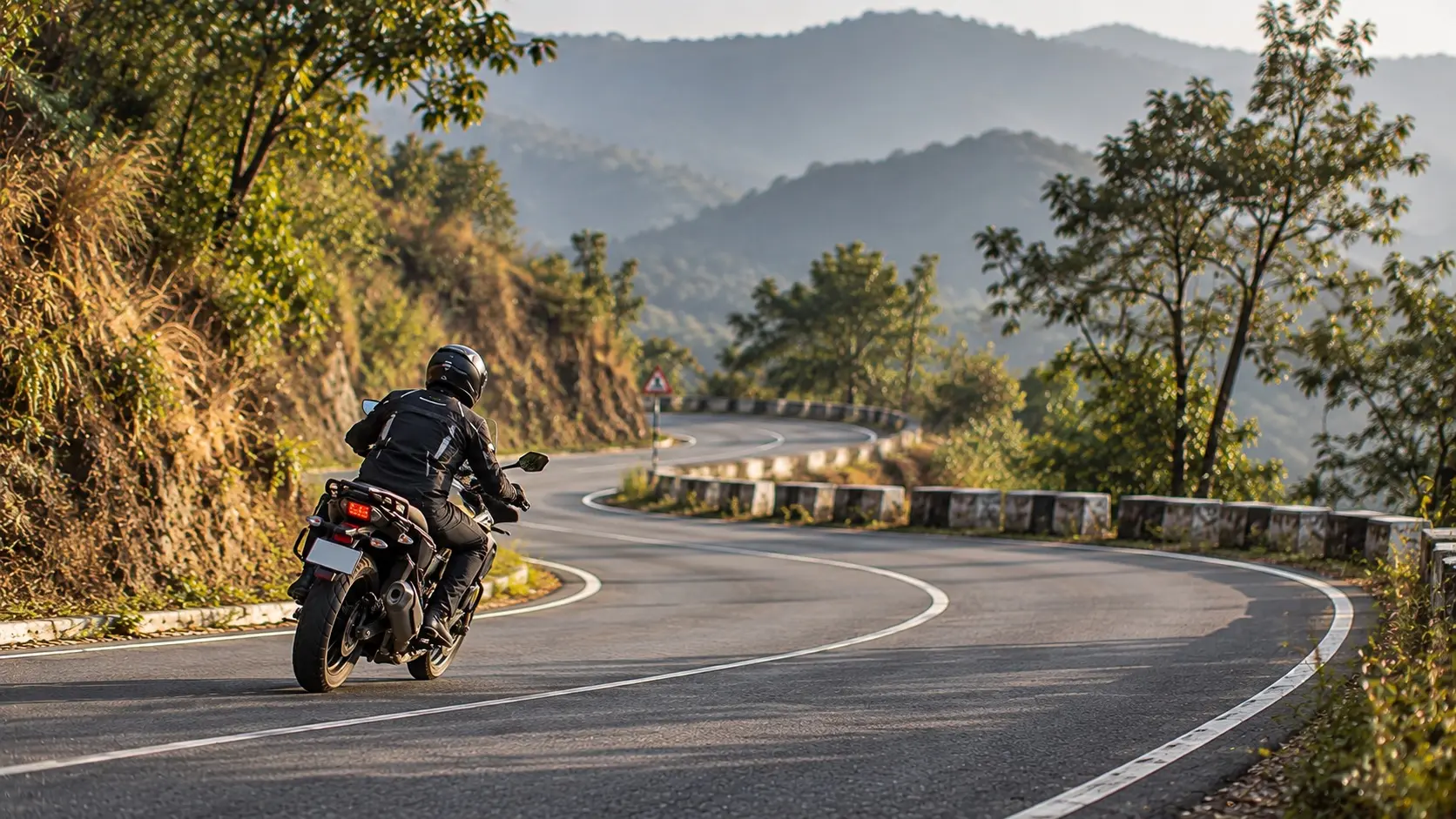
There are early mornings when the roads are almost empty, evenings spent negotiating familiar traffic and weekends that take you farther from home than you originally intended.
Some journeys become memorable stories. Others disappear into the routine of everyday life.
But together, they create familiarity.
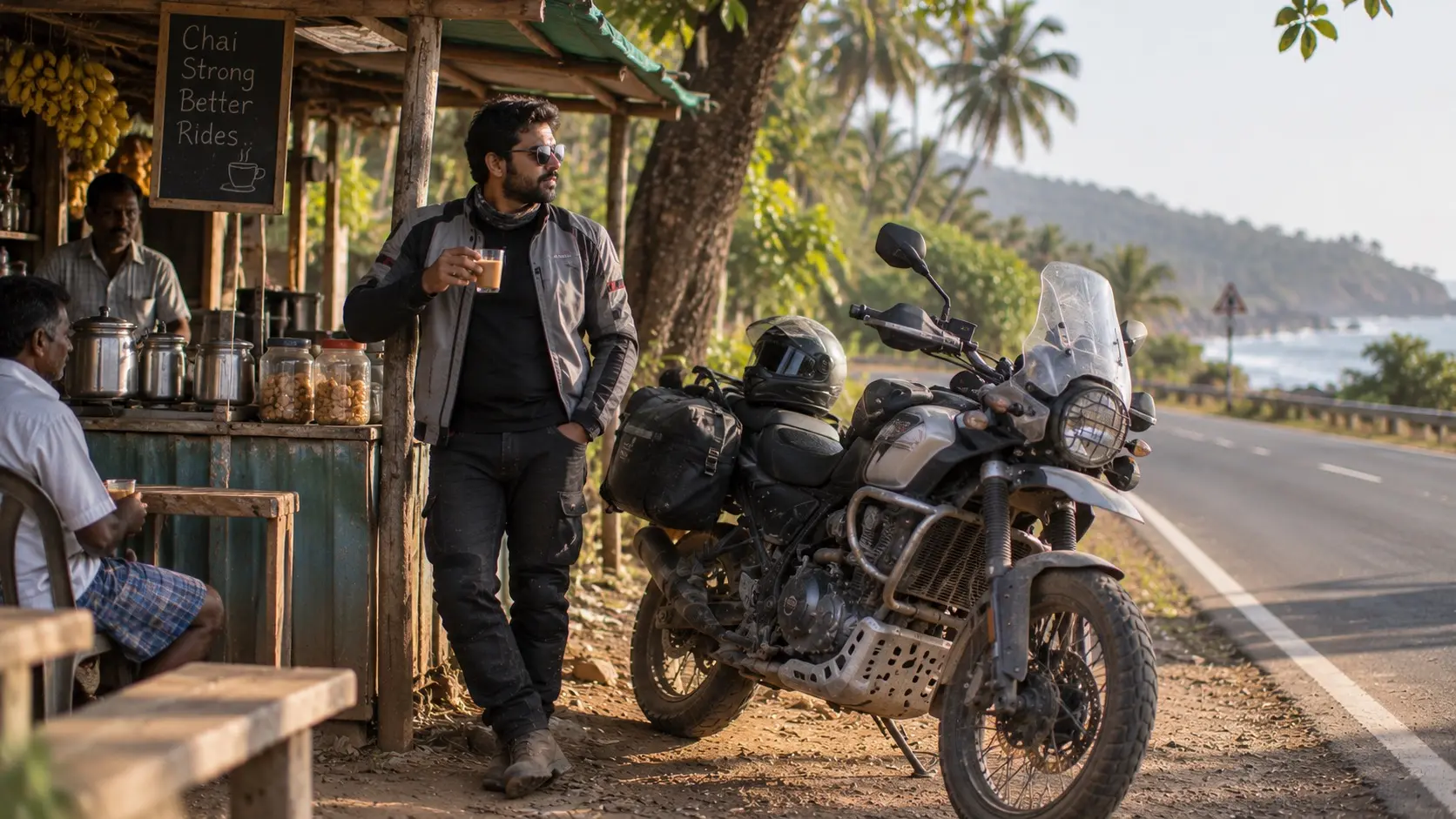
You know how the motorcycle feels when the luggage is loaded. You recognise its usual sounds. You remember the occasional inconvenience, the puncture repaired beside the road or the unexpected rain that left both rider and machine covered in mud.
None of these experiences makes the motorcycle a living companion.
But they do make it part of your personal history.
A modest commuter that has travelled alongside someone for fifteen years may inspire a deeper connection than an expensive motorcycle purchased last week.
Not because one is inherently better than the other, but because time has given it a different kind of value.
The Cowboy and His Horse
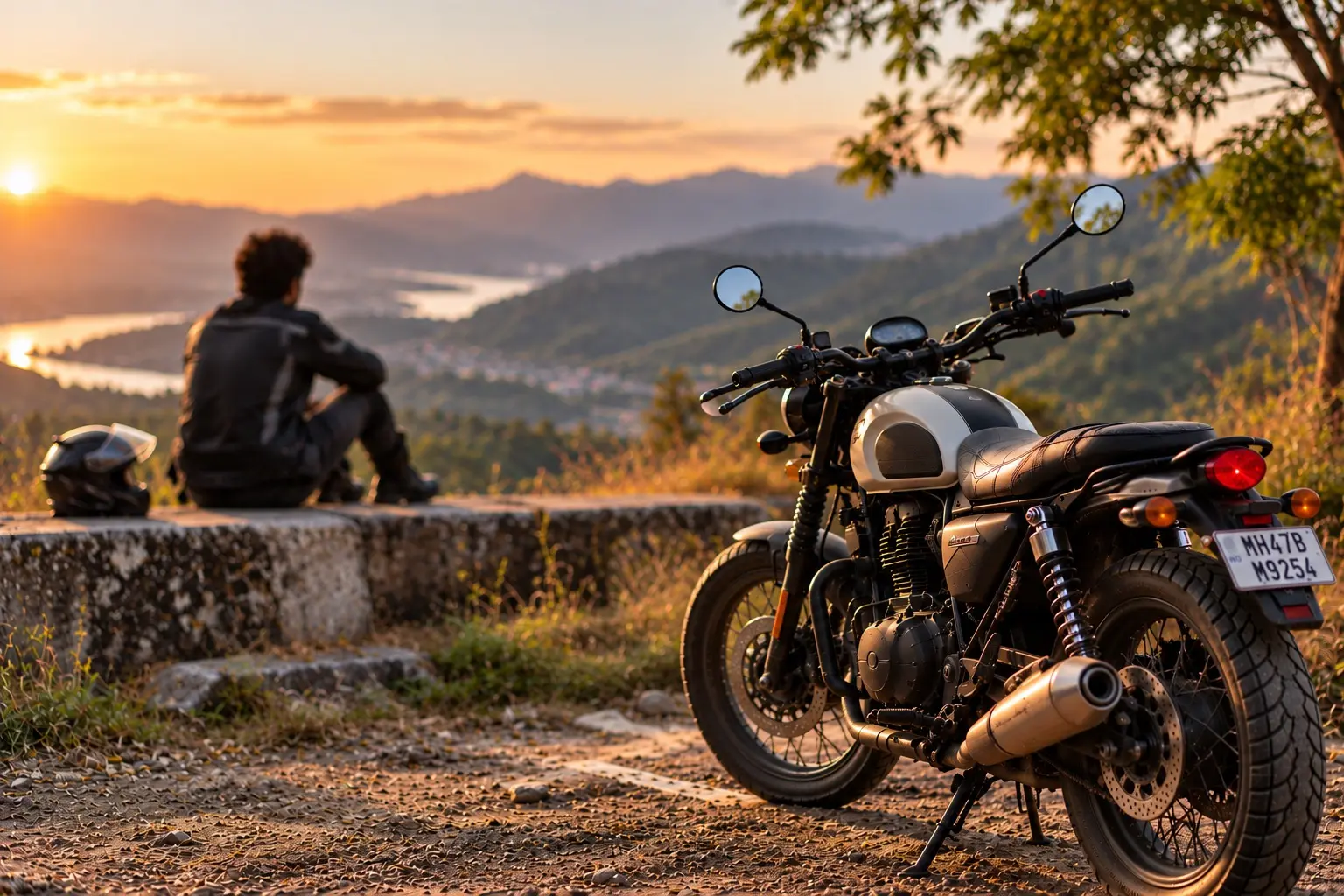
There is an old comparison between a motorcyclist and a cowboy.
It is easy to understand why. Both suggest a certain independence, a willingness to travel and a relationship with the means of getting there.
Of course, a motorcycle is not a horse.
It does not recognise its rider, develop affection or decide whether it feels like cooperating that morning. Although anyone who has struggled with a reluctant starter might occasionally question the last point.
Still, the comparison offers something useful.
A cowboy could admire another person’s magnificent horse while remaining deeply attached to the familiar animal he had ridden for years.
The relationship was not simply about possessing something valuable. It came from travelling together, learning its behaviour and depending on it through countless ordinary days.
A motorcyclist develops a different relationship, but familiarity remains central.
You might admire a newer, faster or more sophisticated motorcycle. You might even want to own one someday.
That does not diminish the affection you feel for the machine waiting in your parking space.
It has been there for the journeys that matter to you.
And sometimes that is enough.
The Motorcycle in the Mirror
Perhaps the backward glance is not always about attachment or memory.
Sometimes it is much simpler.
Think about the occasional glance we give ourselves in a mirror.
We are not necessarily checking for a problem. We might simply want to see that everything looks right.
A rider can look at a motorcycle in much the same way.
There is the familiar shape, the particular expression created by its headlamp and bodywork, and the pleasing knowledge that it still looks rather good.
Some riders see a friendly face in the front of their motorcycles. Others appreciate the clean line of a fuel tank or the stance of the machine when it is parked.
These impressions are personal, and they do not require anyone else’s agreement.
A motorcycle need not be universally admired to be beautiful to the person who rides it.
And there is no need to turn every glance into a profound statement about freedom, identity or the meaning of life.
Sometimes you look back because you like what you see.
The fact that you have liked it for years only makes the habit more interesting.
The Familiarity That Stays
Not every rider feels this way about every motorcycle.
Some machines are temporary arrangements, bought for practical reasons and eventually replaced without much ceremony. Others become familiar enough that parting with them feels unexpectedly difficult.
There is no correct degree of attachment.
What matters is that the backward glance can express several things at once.
It might be appreciation for a beautiful design, satisfaction after a good ride or simple recognition of something that has become part of everyday life.
It might also be nothing more than a habit developed over thousands of departures and arrivals.
We do not need a scientific explanation for every affectionate gesture.
People sometimes look back after saying goodbye to someone at a railway station or airport. The final glance does not necessarily serve a practical purpose. It is simply something we do when we are reluctant to end a pleasant moment.
Looking back at a motorcycle is not the same thing, of course.
But perhaps there is a little of that instinct in it.
A brief acknowledgement before moving on.
Still Pretty. Still Smiling.
The next time you park your motorcycle, notice what happens.
You might secure the helmet, adjust your jacket and walk towards your destination without another thought.
Or you might take a few steps and turn around.
There is no need to analyse the gesture while it happens.
You have spent enough time with this machine to recognise it instantly. You know its imperfections, its familiar sounds and the roads you have travelled together.
And from where you are standing, it still looks rather lovely.
So you give it one last glance.
There she is.
Still pretty.
Still smiling.
And that is quite enough.