What New Riders Should Practice Before Long Distance Touring
Develop essential riding skills before taking on your first long distance motorcycle tour
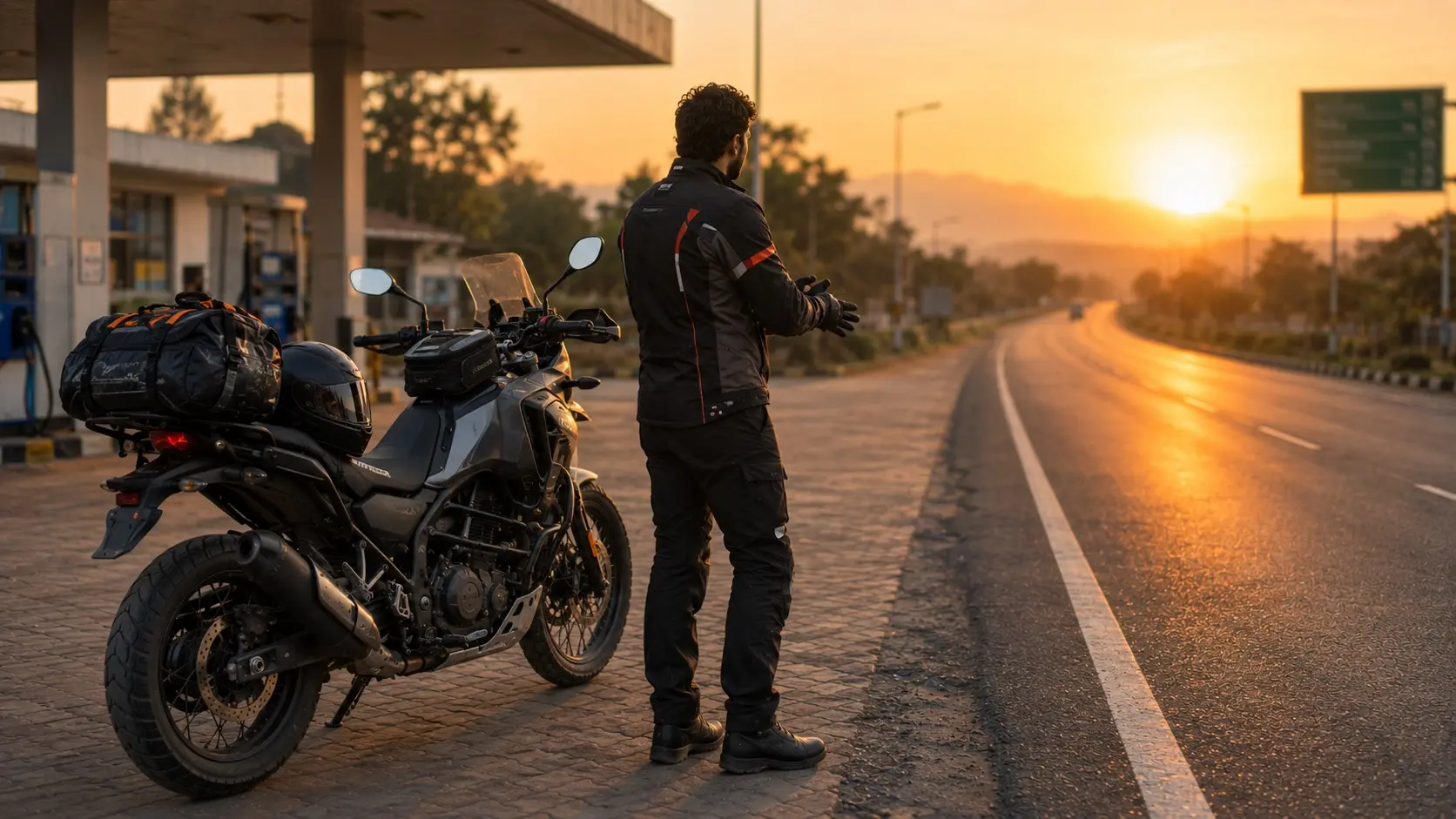
Long distance touring has a way of capturing every rider’s imagination. Empty highways, winding mountain roads, roadside tea stalls, and destinations that feel earned rather than visited. It is easy to dream about the journey.
What many new riders underestimate is that touring is not simply riding for a longer time. It places greater demands on your concentration, decision making, and motorcycle control than your daily commute ever will.
Before planning your first multi-day ride, spend time developing the skills that will make those long hours enjoyable rather than exhausting.
Master Smooth Motorcycle Control
Touring rewards riders who are smooth.
Every abrupt throttle input, every harsh gear change, and every panic stop becomes tiring after several hundred kilometres.
Before setting off on a long journey, make sure you can comfortably:
- Brake progressively without upsetting the motorcycle
- Shift gears smoothly
- Roll on the throttle gently when exiting corners
- Ride at walking pace without losing balance
These may sound like basic skills, but they form the foundation of comfortable touring.
Learn to Read the Road
A successful tour is often less about reacting quickly and more about noticing problems early.
Experienced touring riders constantly scan ahead.
They watch for:
- Brake lights several vehicles ahead
- Animals near the roadside
- Loose gravel after a blind corner
- Slow moving tractors or trucks
- Road repairs and broken pavement
The earlier you identify a developing situation, the less dramatic your response needs to be.
Practice Emergency Braking
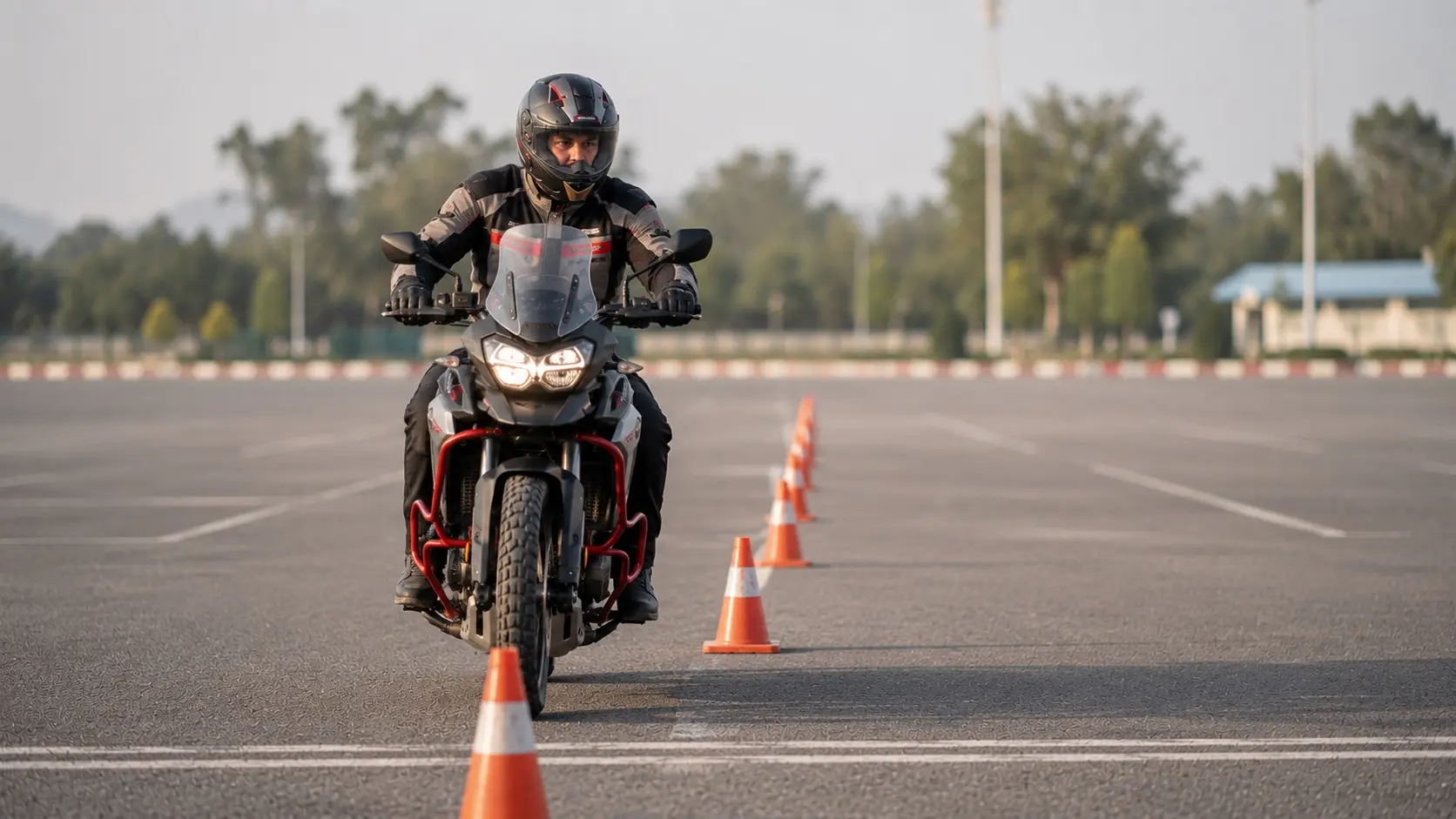
Hopefully you will never need maximum braking on tour.
But if the situation arises, your reaction should come from practice rather than panic.
Find a safe open area and regularly practice:
- Progressive emergency stops
- Straight line braking
- Braking from different speeds
- Stopping while keeping the motorcycle balanced
Confidence comes from repetition.
Become Comfortable at Slow Speeds
Touring is not all open highways.
You will eventually encounter:
- Busy fuel stations
- Hotel parking areas
- Narrow village roads
- U turns on unfamiliar streets
Slow speed control becomes surprisingly important.
Practice riding at walking pace while using the clutch friction zone and light rear brake pressure. The more relaxed you are at low speeds, the less stressful these situations become.
Build Riding Endurance
Many riders discover that physical fatigue arrives long before mechanical problems.
Before attempting a multi-day ride, gradually increase your saddle time.
Instead of jumping straight into a 600-kilometre day, build experience through shorter rides.
For example:
- 100 kilometre morning rides
- Half day weekend rides
- Full day loops close to home
Pay attention to how your body feels after each ride.
Notice:
- Neck fatigue
- Wrist pressure
- Shoulder tension
- Lower back discomfort
Small adjustments to posture often make a significant difference.
Ride in Different Conditions
Long tours rarely offer perfect weather.
Before travelling long distances, gain experience riding in:
- Moderate rain
- Light highway traffic
- Winding roads
- Early morning conditions
- Afternoon heat
Each environment teaches something different.
The more situations you experience close to home, the fewer surprises you will face when you are hundreds of kilometres away.
Develop Good Touring Habits
Good habits reduce fatigue more effectively than expensive accessories.
Learn to:
- Take regular breaks before you feel tired
- Drink water frequently
- Stretch during fuel stops
- Keep your visor clean
- Check mirrors regularly
- Relax your grip on the handlebars
These small routines become invaluable during long riding days.
Ride Your Own Ride
One of the biggest mistakes new touring riders make is trying to keep up with others.
If you join a group ride, remember that everyone develops confidence at a different pace.
Ride at a speed that allows you to:
- Stay relaxed
- Maintain good vision
- Brake smoothly
- Enjoy the journey
The destination is not a race.
Experienced touring riders understand that arriving safely is always more important than arriving first.
Touring Is a Skill, Not a Distance
Many people believe touring begins when the odometer reaches a certain number.
In reality, touring begins when your riding becomes calm, consistent, and predictable.
The motorcycle should feel like an extension of you rather than something that constantly demands attention.
Once basic control becomes second nature, your mind is free to appreciate the changing landscape, the conversations at roadside cafés, and the simple pleasure of watching the next stretch of road unfold.
Final Thoughts
The best touring riders are not necessarily the fastest or the most experienced. They are the riders who have invested time in mastering the fundamentals before chasing bigger adventures.
Practice close to home. Build your confidence gradually. Develop smooth habits that reduce effort rather than increase it.
Do that, and your first long distance tour will be remembered not for the challenges you struggled through, but for the roads you were free to enjoy.