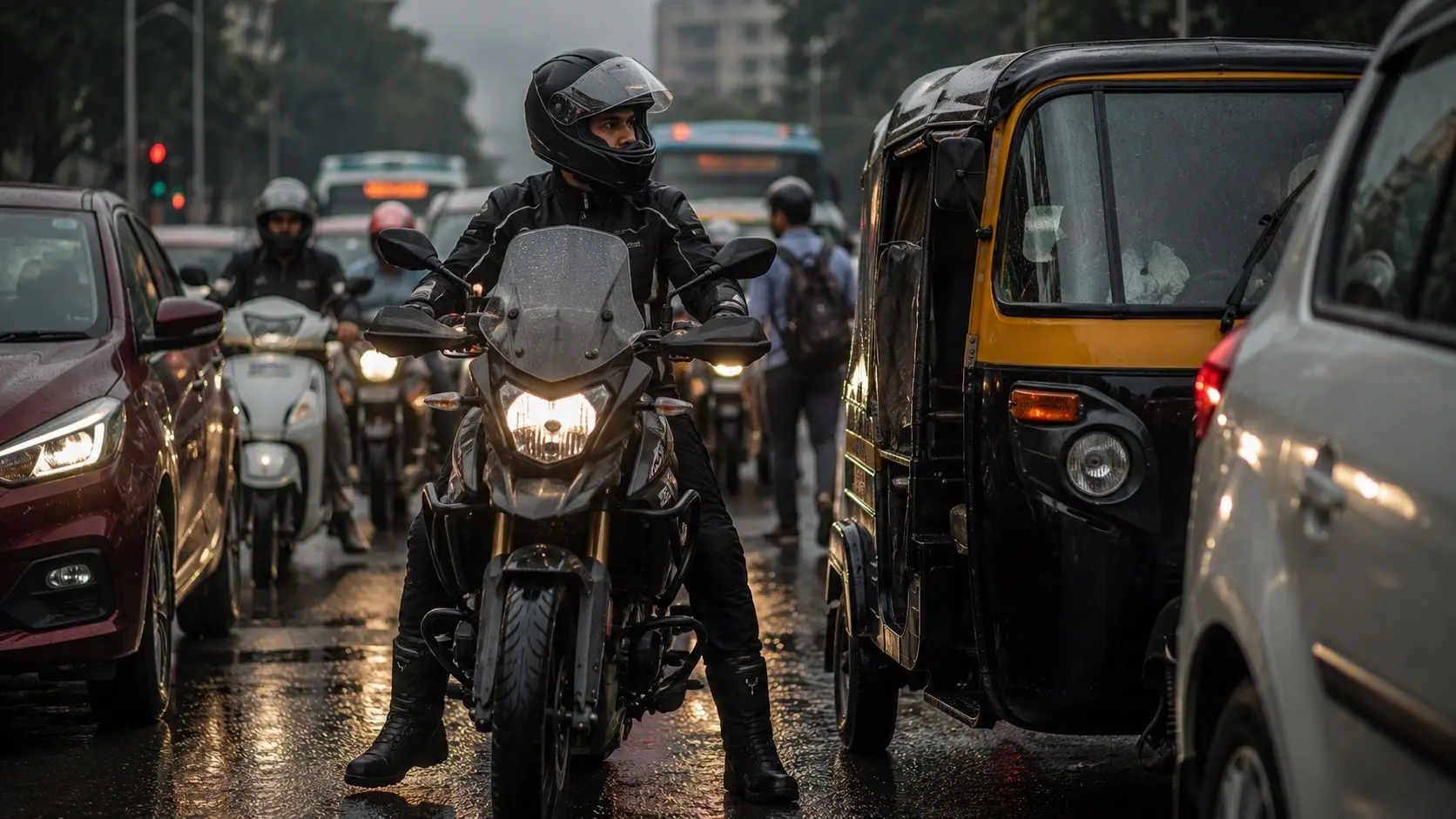
Why Traffic Teaches You More Than Highways
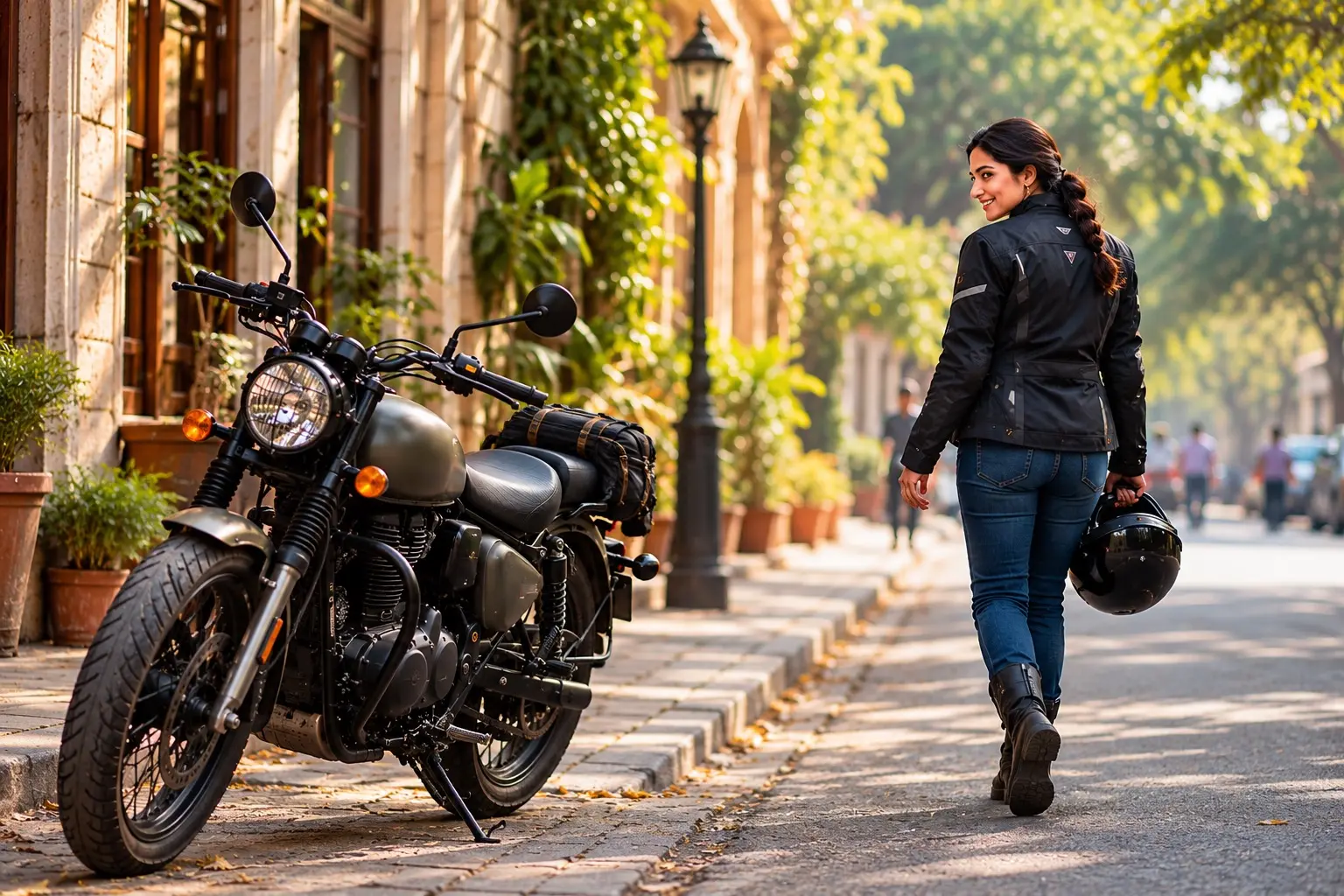
City traffic quietly teaches awareness patience and judgement that every rider carries onto the open road
Ask most riders where they enjoy riding and the answer is usually predictable.
Open highways. Mountain roads. Coastal routes. Long sweeping bends.
Very few riders will enthusiastically choose city traffic.
It is noisy, unpredictable and often exhausting.
Yet it is also one of the greatest riding instructors a motorcyclist will ever have.
Not because it is enjoyable.
Because it refuses to let complacency survive.
Every Traffic Signal Is A Lesson
One of the biggest surprises for new riders is how difficult motorcycles can feel at walking speed.
Balancing a machine through slow moving traffic requires a very different set of skills than cruising comfortably at 80 km/h.
Tiny throttle inputs.
Gentle clutch control.
Looking well ahead instead of directly in front of the wheel.
Even experienced riders can remember moments that humbled them at a traffic signal. A slight loss of balance. An awkward stop. A reminder that motorcycles demand respect long before they reach highway speeds.
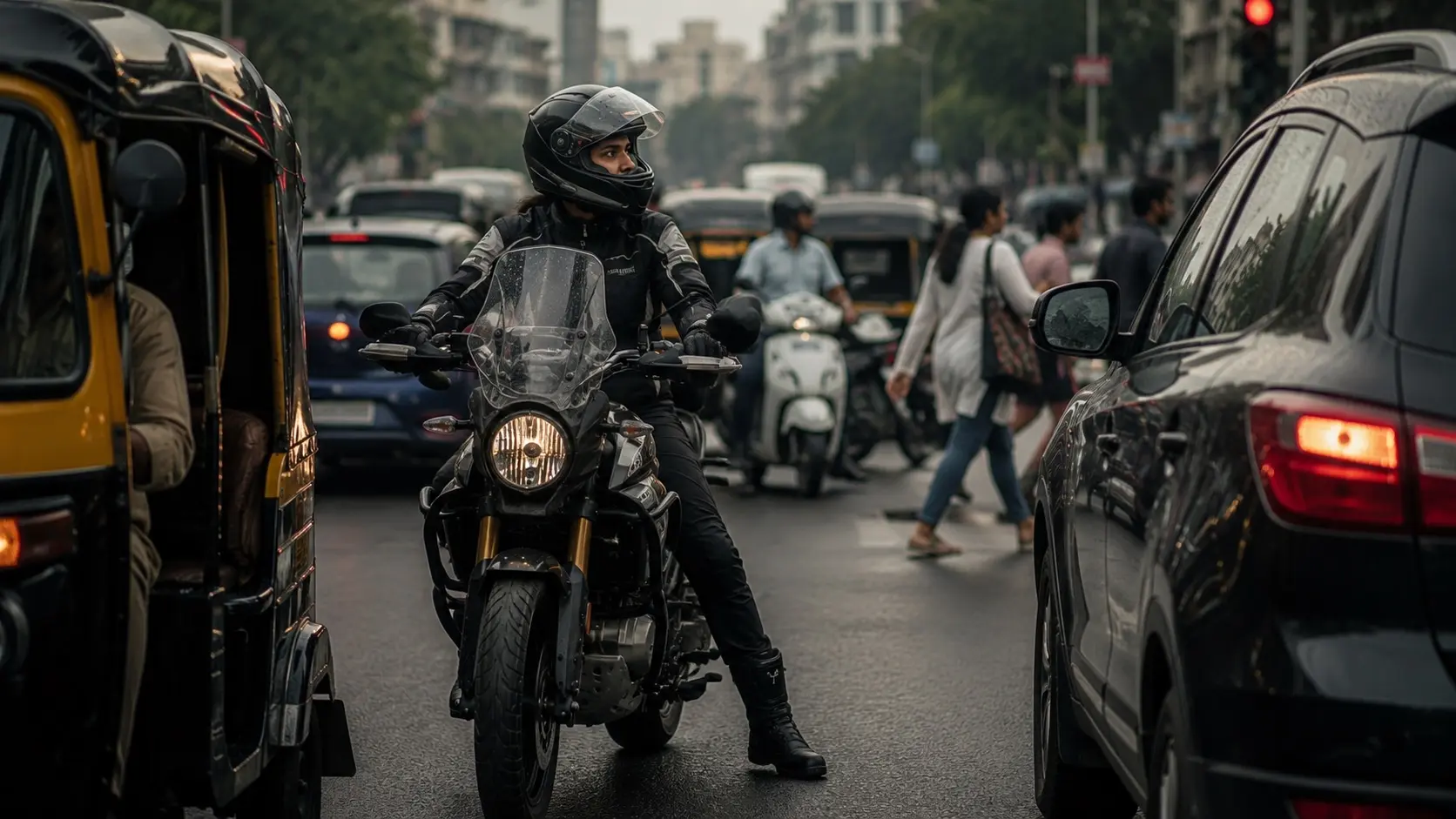
Those early moments often become the beginning of real learning.
The Road Rarely Does What You Expect
Traffic teaches riders one important habit above all others.
Never assume.
A parked car may suddenly pull away.
A pedestrian may step into the road without looking.
An auto rickshaw may stop unexpectedly.
A scooter may appear from an impossible gap.
On Indian roads, the unexpected is rarely exceptional.
It is simply part of the ride.
The rider who constantly asks “What could happen next?” usually stays calmer than the rider who assumes everything will behave predictably.
Observation Becomes Second Nature
Highway riding often allows the mind to settle into a comfortable rhythm.
Traffic never offers that luxury.
Your eyes begin scanning constantly.
Brake lights several vehicles ahead.
Mirrors.
Side streets.
Pedestrians.
The rider making eye contact before turning.
The child standing near the edge of the road.
Without realizing it, traffic begins teaching riders to collect information continuously.
It becomes less about reacting and more about anticipating.
Patience Is A Riding Skill
Few things expose impatience faster than heavy traffic.
It is tempting to chase every small gap.
To accelerate hard only to stop a few metres later.
To become frustrated by slower vehicles.
Experienced riders often discover something surprising.
Arriving a minute later rarely changes anything.
Arriving safely changes everything.
Traffic has a way of rewarding calm decisions over hurried ones.
That lesson remains valuable long after the city disappears behind you.
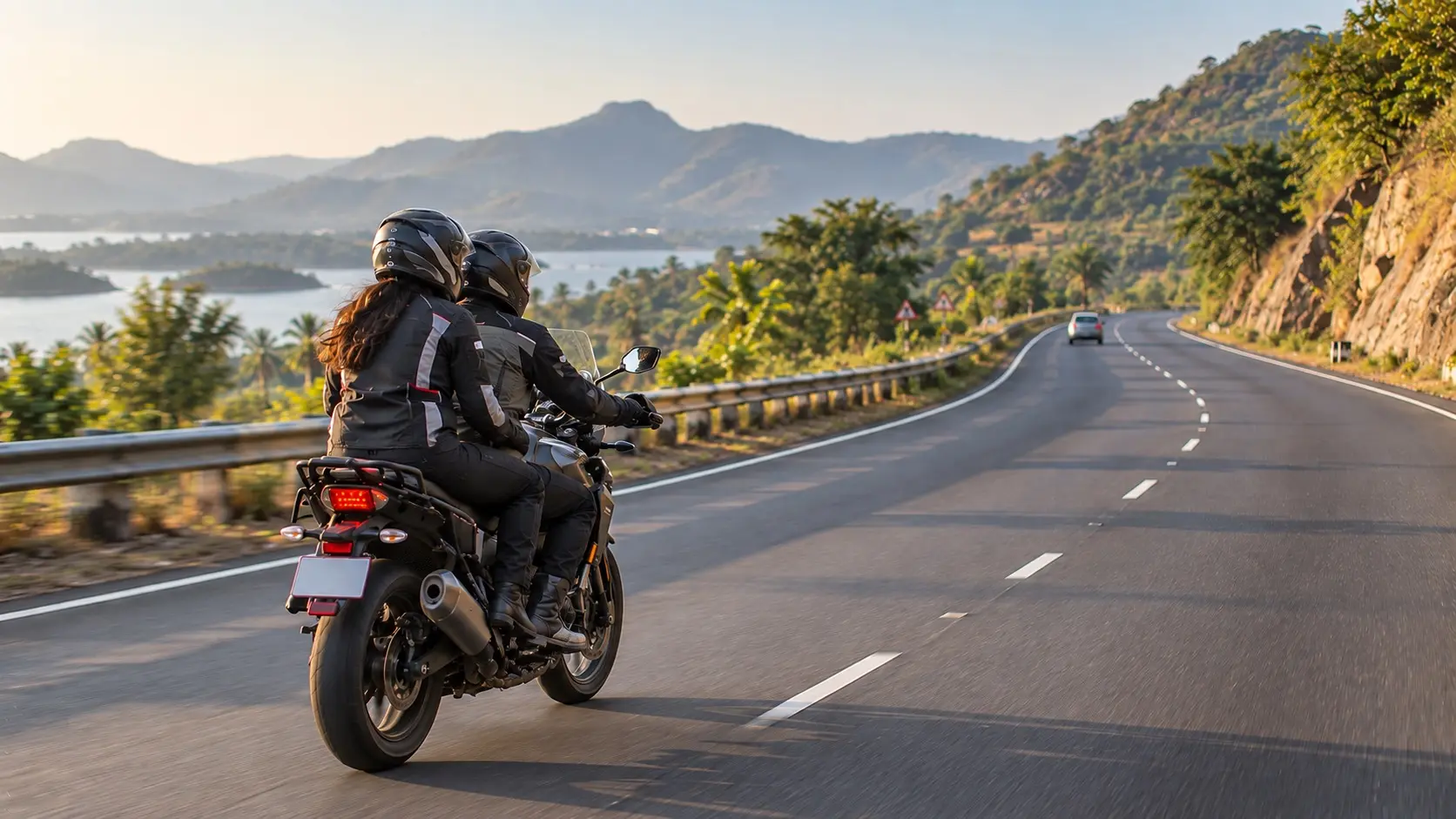
Highways Bring Different Challenges
Many riders believe the open highway is where real riding begins.
In truth, highways simply change the questions.
Instead of crowded intersections, riders face long periods of uninterrupted speed.
Instead of pedestrians, there may be stray dogs crossing unexpectedly.
Instead of parked vehicles, there may be deep potholes hidden by rainwater or vehicles travelling against the normal flow of traffic.
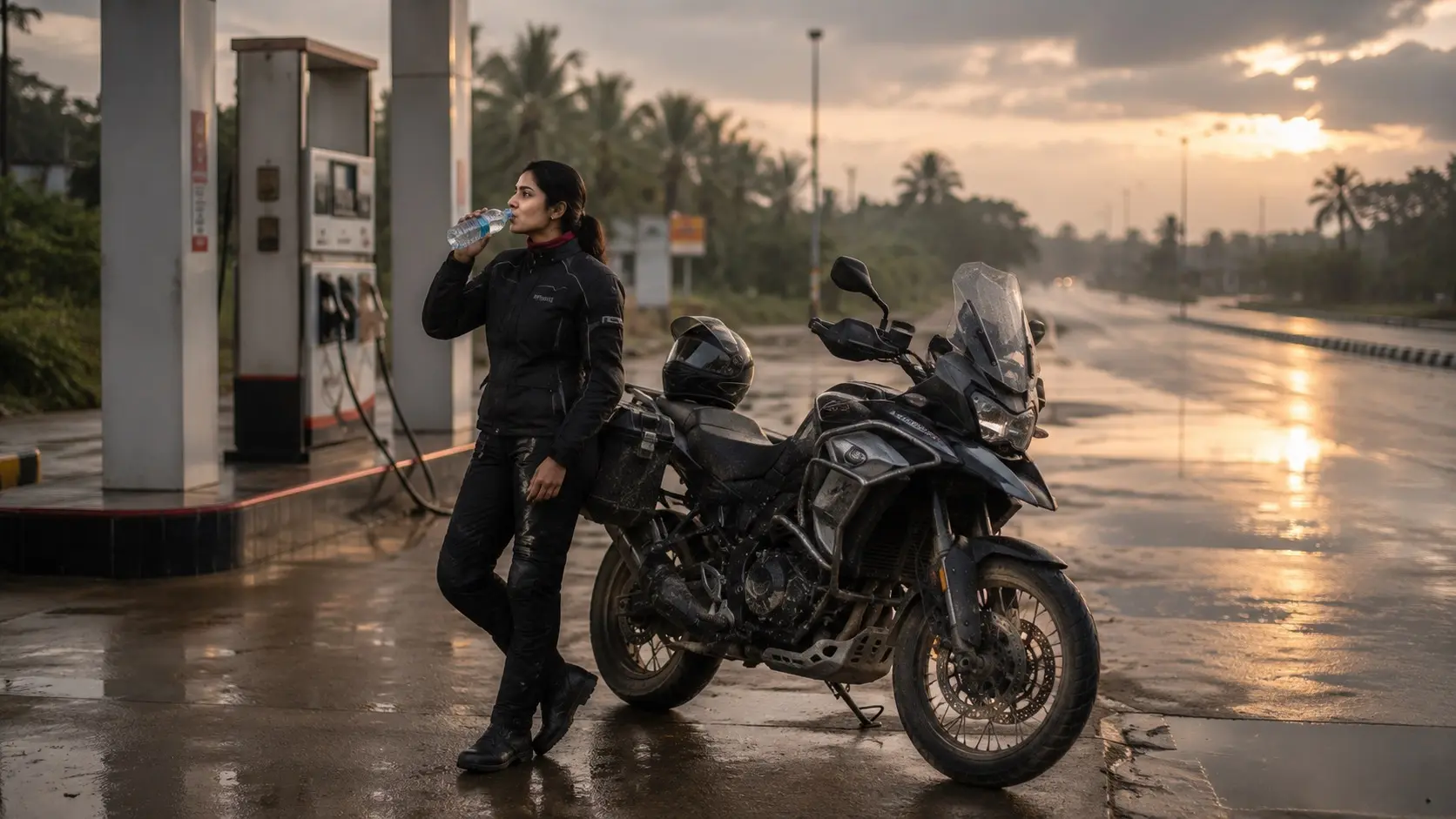
The rider who has learned to observe carefully in city traffic often notices these hazards earlier.
The habits developed in slow moving streets continue working long after the surroundings have changed.
Confidence And Caution Can Coexist
Traffic teaches another valuable lesson.
Confidence should never become overconfidence.
Every rider eventually experiences a moment that demands complete attention.
It may be an unexpected obstacle.
It may be a sudden mistake by another road user.
Or it may simply be the realization that motorcycles leave very little room for complacency.
Those moments rarely make riders fearful.
More often, they make riders thoughtful.
They encourage respect instead of arrogance.
Every Ride Is Quiet Practice
One of the most overlooked aspects of commuting is repetition.
The same roads.
The same junctions.
The same traffic signals.
It may seem monotonous.
Yet every commute becomes another opportunity to practise observation, clutch control, braking, positioning and judgement.
Skills improve gradually rather than dramatically.
Most riders never notice the exact day they become smoother.
They simply realize one day that situations which once felt stressful now feel routine.
Final Thoughts
Traffic may never become a rider’s favourite place to be.
But it often becomes the place where the most important lessons are learned.
It teaches patience before speed.
Awareness before confidence.
Observation before reaction.
The open highway may remind riders why they love motorcycling.
But city traffic often teaches them how to become better riders.
And those lessons stay with them long after the traffic lights disappear in the mirrors.