Why Smooth Riders Are Usually Faster Riders
Smooth riding reduces wasted movement and helps riders carry momentum with greater control and confidence.
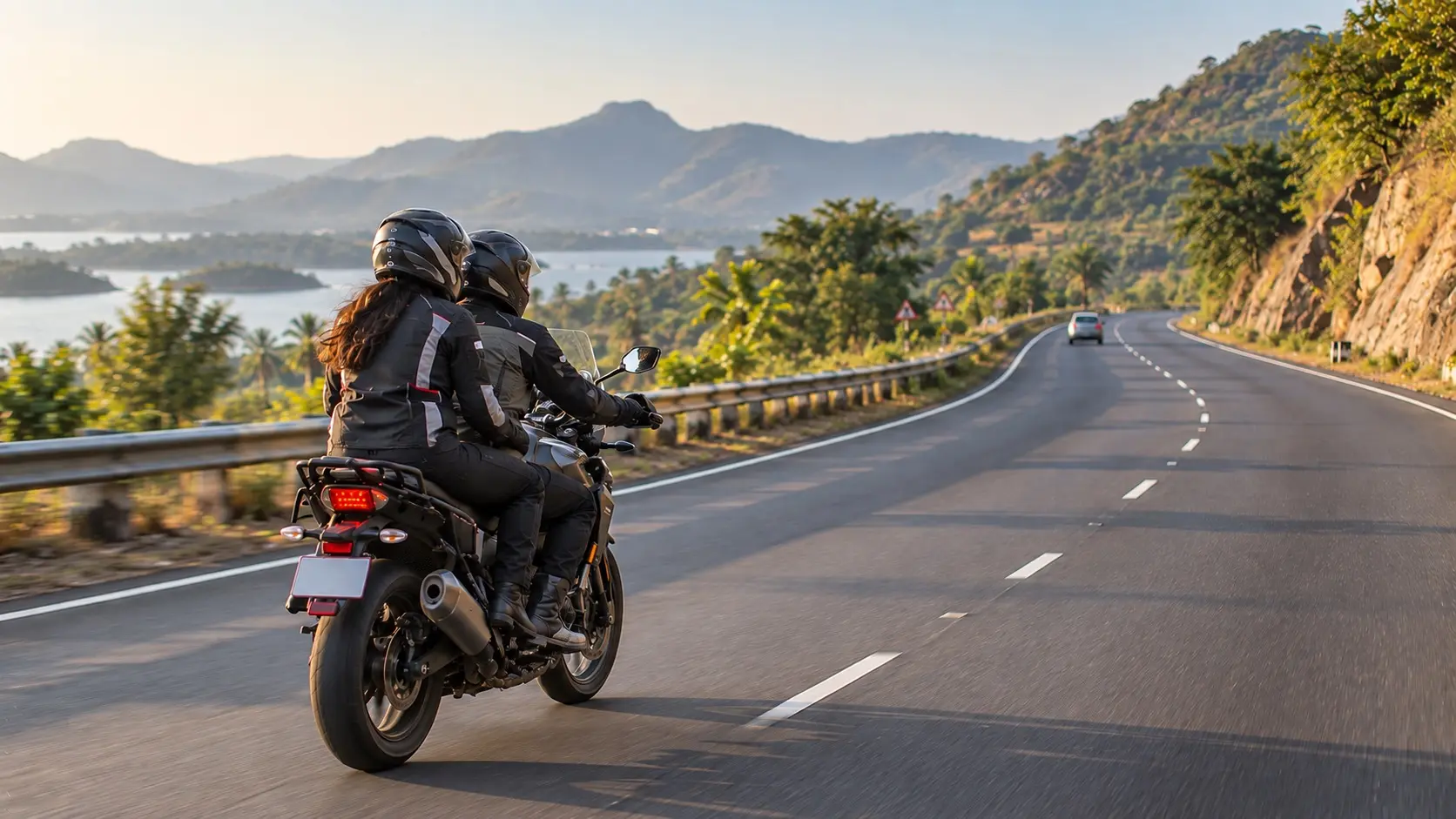
Watch a skilled rider through a series of bends and something may seem slightly strange.
They often do not look particularly fast.
There is little dramatic braking. The motorcycle is not constantly changing direction. The rider does not appear to be wrestling with the handlebars or rushing from one control to another.
Yet after several kilometres, they may have made surprisingly efficient progress.
The reason is simple. Smooth riders waste less motion.
That does not mean that smooth riding is a technique for travelling quickly. Speed should always suit the road, traffic, visibility and the rider’s ability. The more useful lesson is that smoothness allows the motorcycle to remain settled, giving the rider more time and more options.
Smoothness Is Not About Riding Slowly
Smooth riding is sometimes confused with cautious or gentle riding.
They are not the same thing.
A smooth rider can travel at a relaxed pace or a brisk one. What changes is how the rider asks the motorcycle to accelerate, brake and turn.
Abrupt riders repeatedly disturb the motorcycle.
They brake late, release the brake suddenly, turn sharply, add throttle aggressively and then make corrections when the motorcycle does not follow the line they expected.
Each correction creates another correction.
A smooth rider tries to avoid starting that chain.
Inputs begin earlier, build progressively and finish cleanly. The motorcycle therefore spends more time doing what the rider intended rather than recovering from what happened a moment earlier.
Smooth Braking Starts Earlier
One of the easiest places to see the difference is braking.
A rider who notices a bend or slowing traffic late may stay on the throttle until the final moment and then brake hard.
The motorcycle pitches forward. The rider becomes tense. Speed falls quickly, and suddenly there is a second problem to solve.
A rider who has already read the situation can begin braking earlier.
The braking does not necessarily need to be heavy. Pressure builds smoothly, speed reduces progressively and the rider has time to evaluate what happens next.
That extra time matters.
If traffic changes, there is room to respond. If the corner tightens, the rider is already prepared. If the road surface looks uncertain, the motorcycle is settled before reaching it.
Smooth braking is therefore closely connected to observation.
The earlier you recognise what is developing, the less dramatically you need to react.
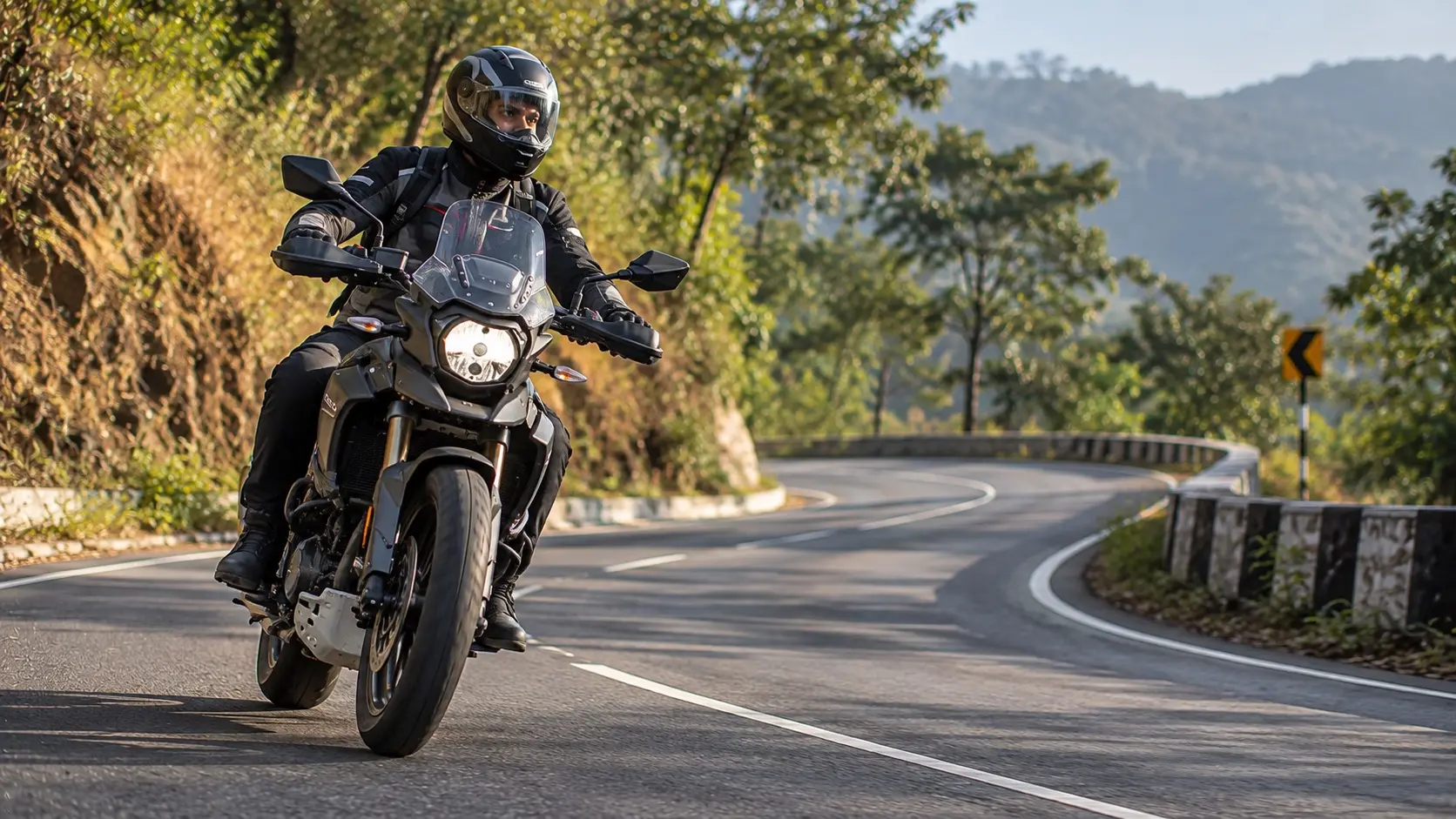
Throttle Should Continue The Conversation
The throttle is not simply an on and off switch.
Small changes in throttle affect weight distribution, suspension behaviour and the stability of the motorcycle.
Abruptly closing the throttle transfers weight forward. Opening it sharply transfers weight rearward.
Neither movement is automatically wrong, but repeated abrupt changes make the motorcycle harder to predict.
Smooth riders roll the throttle rather than snapping it.
They understand that acceleration should arrive progressively, especially when leaving a corner or riding on uncertain surfaces.
This helps preserve traction while reducing unnecessary movement through the chassis.
It also makes the motorcycle easier to ride for long periods because the rider is not continually creating forces that they then have to manage.
Steering Needs Less Drama Than Most Riders Think
Newer riders sometimes make large steering corrections because they are reacting to where the motorcycle is rather than looking towards where they want it to go.
The result can be a sequence of small mistakes.
Turn too late.
Add more steering.
Realise the line has tightened.
Reduce throttle.
Correct again.
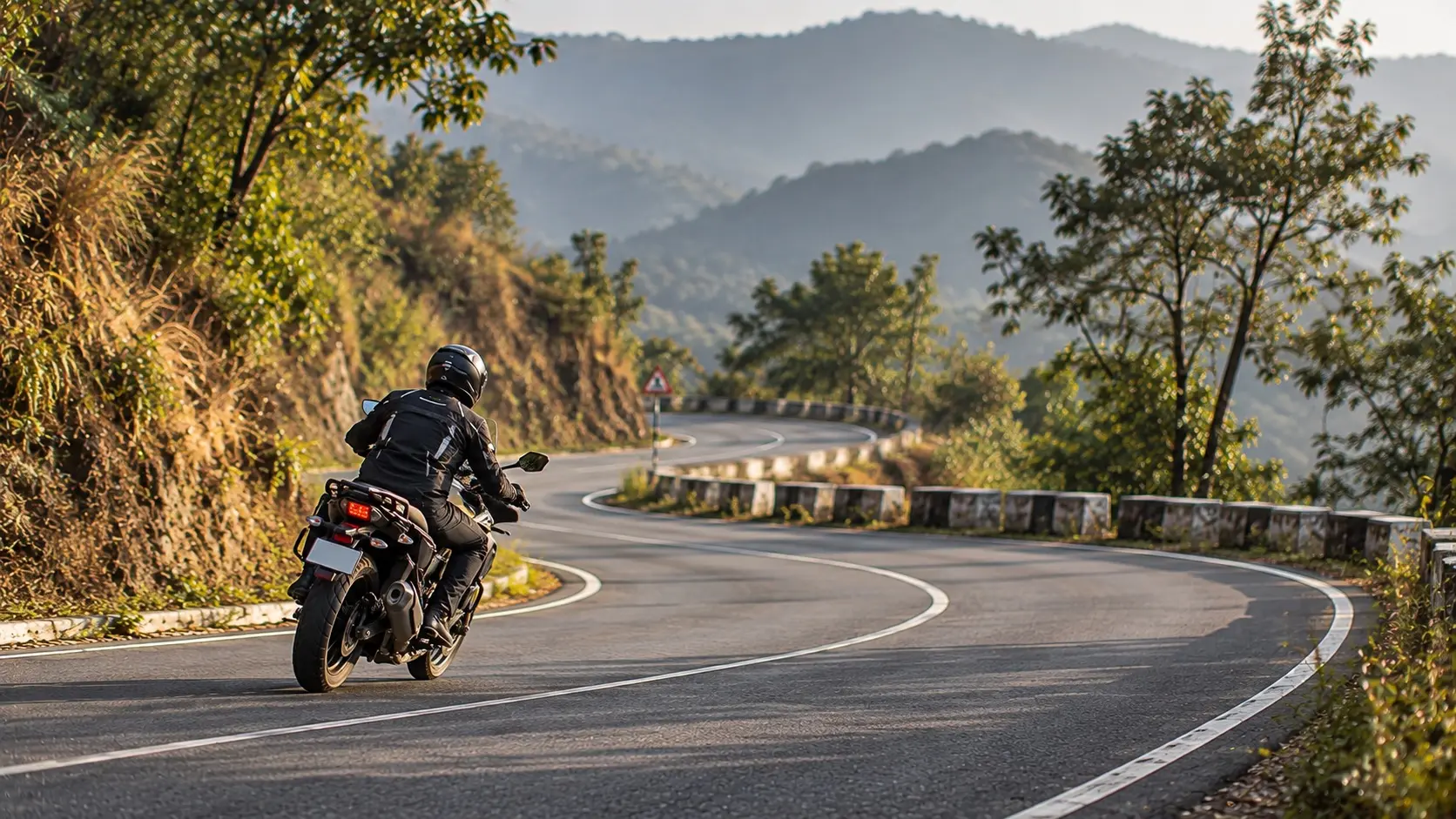
Smooth riders tend to prepare earlier.
They look through the turn, choose a sensible line and make one deliberate steering input rather than several uncertain ones.
The motorcycle appears calmer because the rider is asking fewer questions of it.
That is one reason a skilled rider can sometimes seem almost inactive from the outside.
Very little visible effort is required when most decisions have already been made.
Your Eyes Often Decide How Smooth You Ride
Smoothness begins long before your hands touch the controls.
It begins with vision.
Look only a short distance ahead and everything happens suddenly.
A corner appears suddenly.
Traffic slows suddenly.
A pothole appears suddenly.
A junction appears suddenly.
Look further ahead and the same events become information rather than surprises.
This is why good observation connects so naturally with smooth riding.
Seeing earlier allows you to brake earlier.
Braking earlier allows you to turn calmly.
Turning calmly allows you to add throttle progressively.
One good decision creates the conditions for the next one.
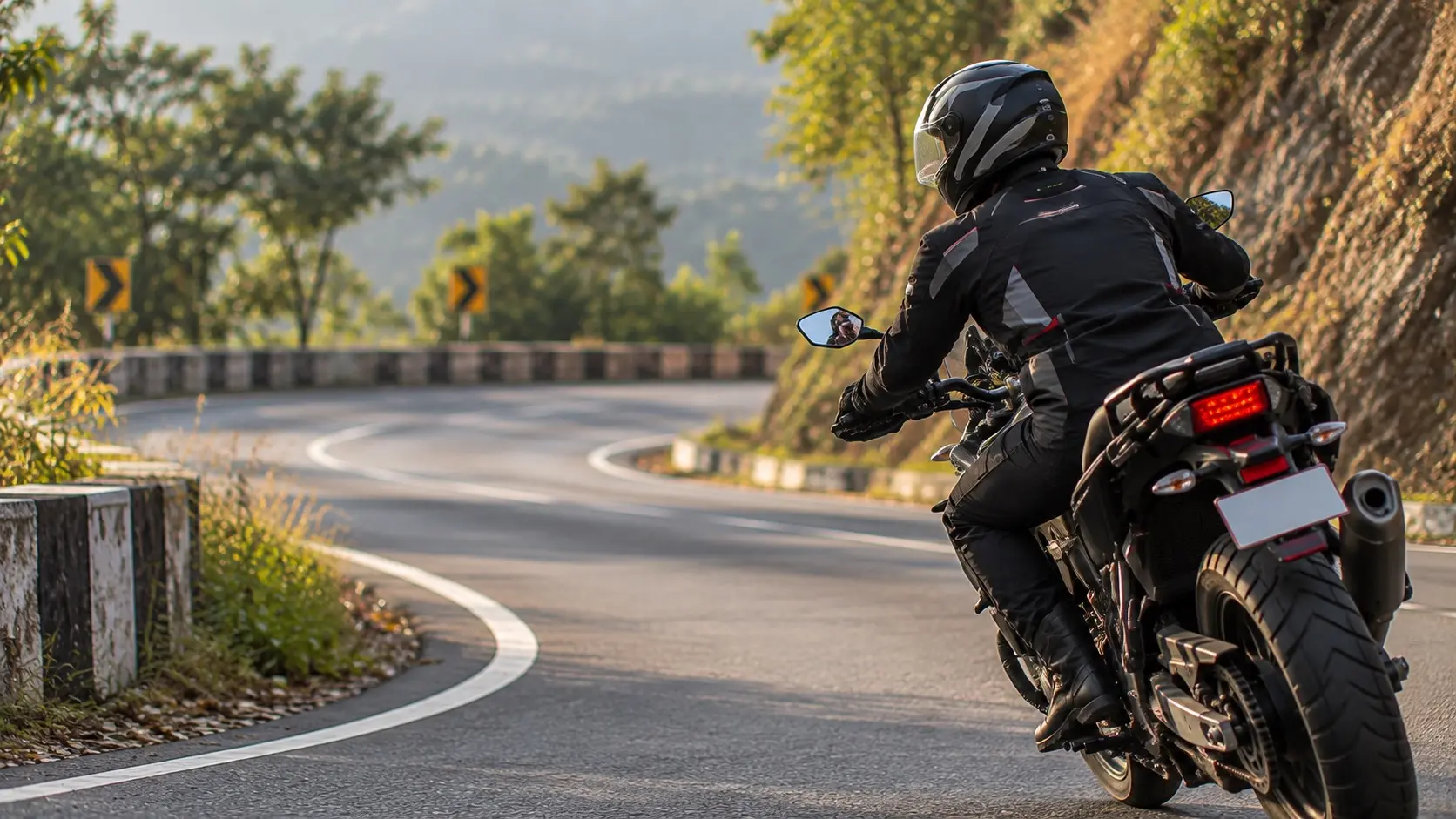
Momentum Matters More Than Acceleration
The rider who constantly accelerates hard and then brakes hard may feel fast because the motorcycle is always doing something dramatic.
But dramatic inputs often destroy momentum.
A smooth rider tends to preserve it.
They arrive at a corner at a sensible speed, maintain a clean line and accelerate only when the motorcycle is ready.
On a flowing road, that approach can require surprisingly little throttle or braking.
The motorcycle simply keeps moving.
This is one reason smooth riders can make efficient progress without appearing rushed.
They are not gaining time through aggressive acceleration.
They are losing less time through unnecessary corrections.
Smooth Riding Leaves More Capacity
There is another benefit that matters far more than pace.
Smooth riding leaves mental capacity available.
When you are constantly correcting braking, steering and throttle, much of your attention becomes focused on controlling the motorcycle.
When the motorcycle is settled, you can pay attention to everything else.
Traffic.
Surface changes.
Pedestrians.
Animals.
Junctions.
Weather.
Escape routes.
That is where smoothness becomes a defensive riding skill rather than simply a refinement of technique.
A rider who feels calm has more attention available for judgement.
Practise Reducing Corrections
You do not need to ride faster to practise smoothness.
In fact, slower familiar roads are usually better places to begin.
During your next ride, notice how often you correct something you have just done.
Did you brake harder because you started too late?
Did you adjust your line because you entered a corner without looking far enough ahead?
Did you close the throttle abruptly because traffic surprised you?
The goal is not perfection.
Simply try to make the next decision slightly earlier.
With repetition, the motorcycle begins to feel quieter beneath you.
Final Thoughts
The best riders often look slower than they really are because very little happens suddenly.
Their braking begins early.
Their throttle changes progressively.
Their steering inputs are deliberate.
Their eyes are already dealing with what comes next.
None of this requires aggression or extraordinary talent.
It requires observation, timing and repetition.
Smooth riding is not valuable because it makes you fast.
It is valuable because it removes unnecessary work.
And when the motorcycle, the rider and the road stop fighting each other, good progress often becomes the natural result.