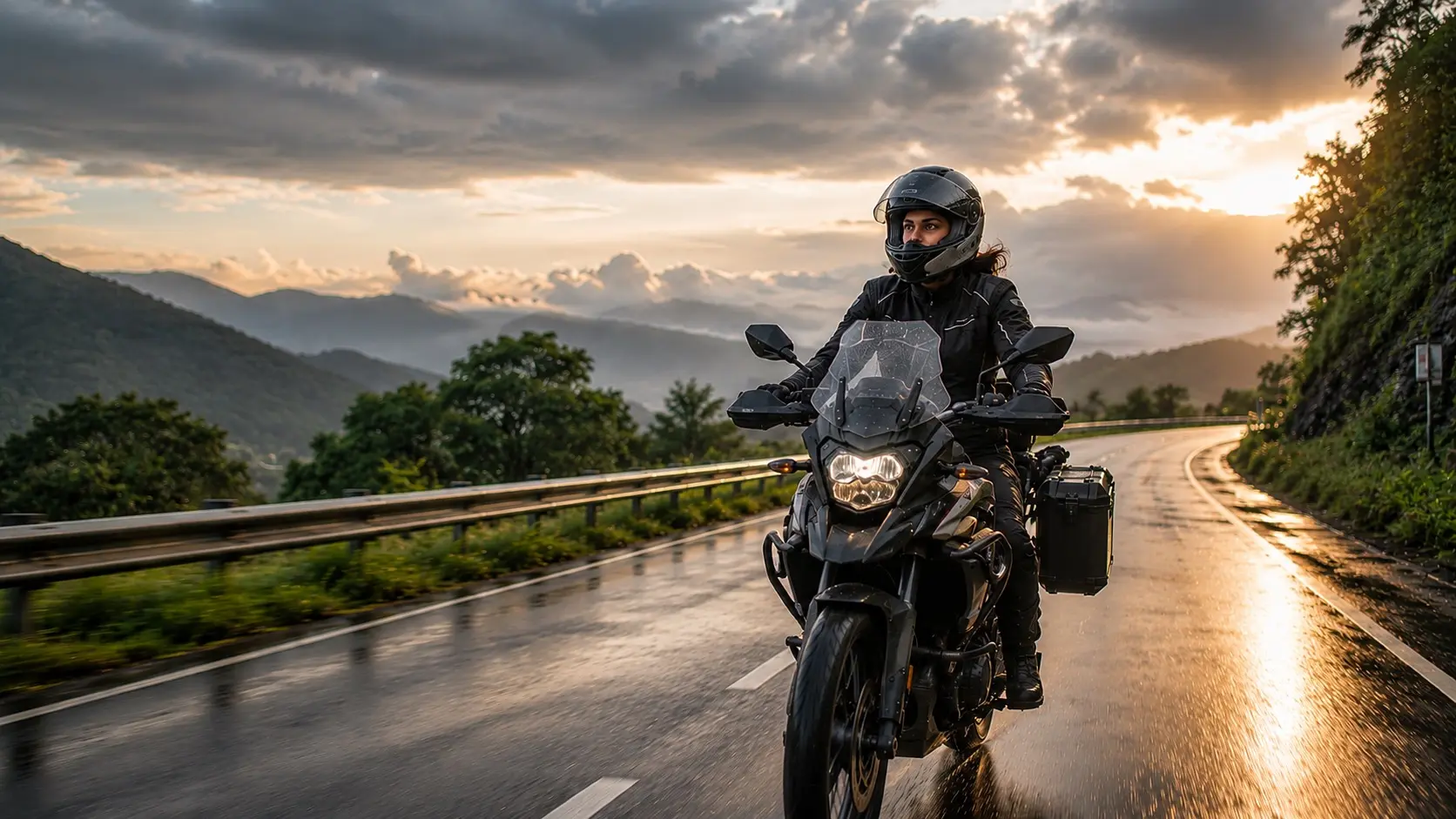
Riding In Indian Weather & What It Teaches You
How heat rain fog and changing conditions shape rider habits skills and mindset across India
Motorcyclists often talk about roads, motorcycles, and destinations.
Yet one of the biggest influences on every ride is something riders cannot control.
The weather.
In India, weather is rarely just background scenery. It becomes an active participant in every journey. A ride that begins under clear skies can quickly encounter heat, rain, fog, dust, or strong winds.
Over time, these conditions teach lessons that extend far beyond riding techniques.
They teach patience, adaptability, and respect.
The Heat Teaches Patience
Every rider who has spent time on Indian roads understands the challenge of riding in high temperatures.
Traffic slows. Riding gear feels heavier. Concentration becomes harder to maintain.
The temptation is often to push through discomfort and continue riding.
Experienced riders learn something different.
They learn to slow down.
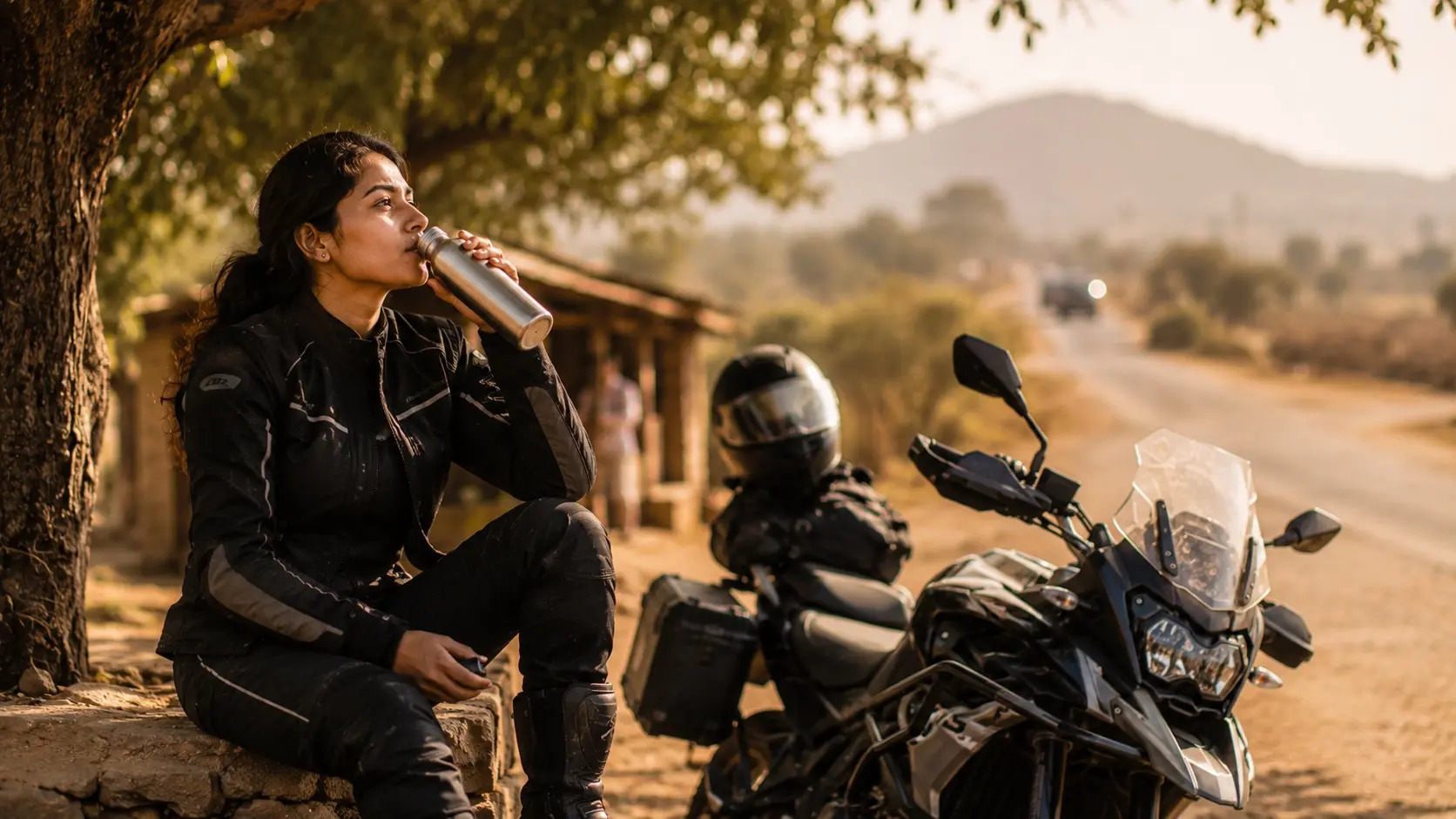
Hydration becomes important. Breaks become necessary. Riders begin paying attention to their physical condition rather than simply focusing on the road ahead.
The weather teaches that endurance is not about ignoring discomfort. It is about managing it wisely.
Rain Teaches Smoothness
Monsoon riding changes everything.
Road markings become harder to see. Surfaces become unpredictable. Visibility drops. Braking distances increase.
Many riders initially approach rain with frustration.
But over time, they discover that rain rewards smoothness.
Abrupt throttle inputs, aggressive braking, and sudden direction changes become less effective. Gentle inputs and deliberate actions become more important.
The rain encourages riders to become calmer and more precise.
In many ways, it teaches restraint.
Fog Teaches Awareness
Some rides begin before sunrise. Others pass through hills and valleys where visibility can change rapidly.
Fog creates a different challenge.
Speed becomes less important than observation. Riders learn to read the road through limited information. They rely on lane markings, vehicle positioning, and careful anticipation.
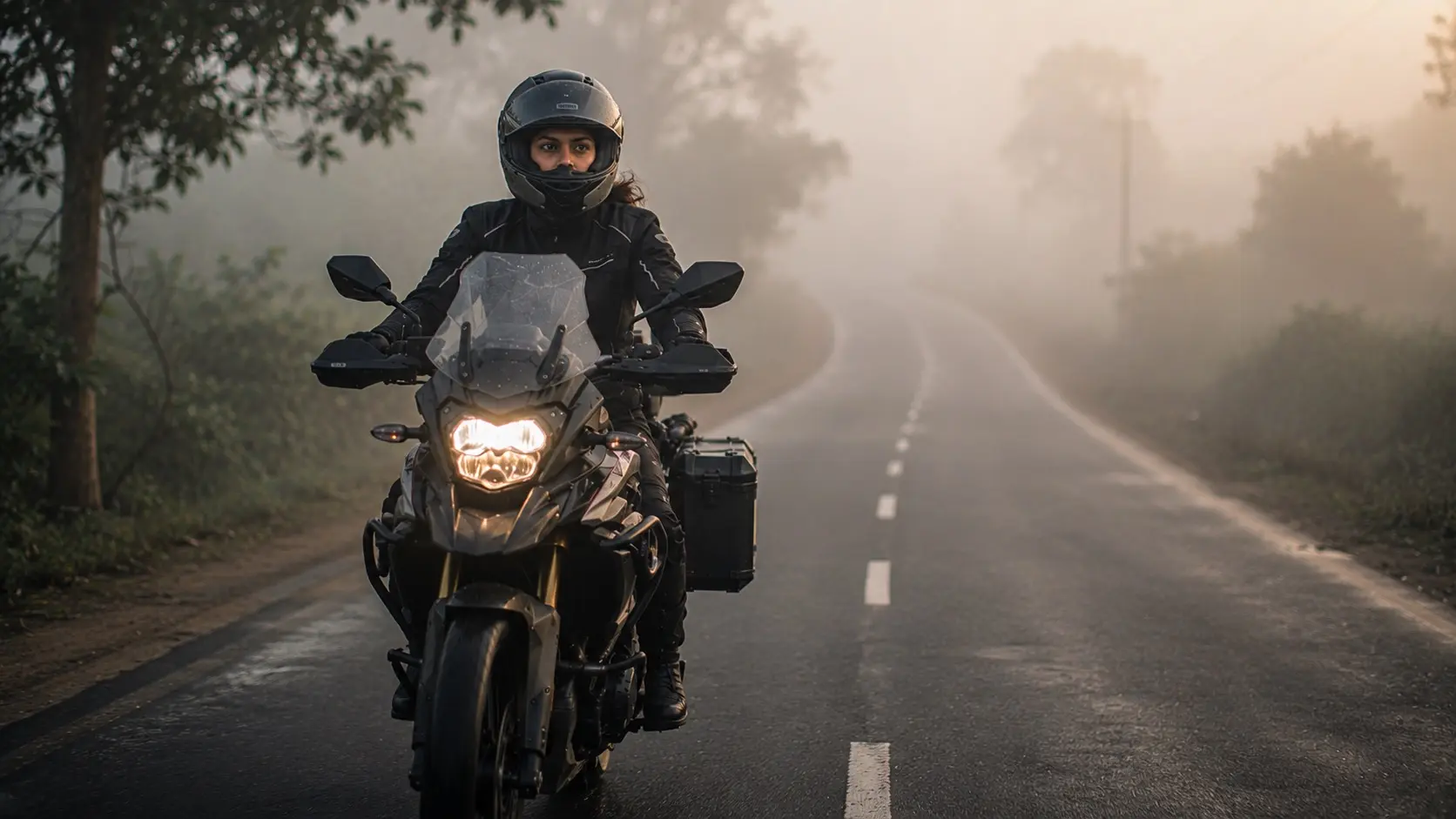
These experiences reinforce a simple lesson.
You cannot react to what you cannot see.
The solution is not confidence. It is caution.
Wind Teaches Respect
Unlike rain or fog, wind often arrives without warning.
Open highways, bridges, and exposed mountain roads can suddenly push a motorcycle off its intended line.
New riders often try to fight these conditions.
Experienced riders learn to work with them instead.
Small adjustments, relaxed grip pressure, and smooth steering inputs become more effective than force.
Weather teaches that control does not always come from resistance. Sometimes it comes from adaptation.
Every Region Has Its Own Lessons
India offers extraordinary variety.
A rider crossing the Western Ghats may experience mist and rain. A rider exploring Rajasthan may face heat and dust. A journey through the Himalayas can bring sunshine, rain, and cold temperatures within the same day.
Even a motorcycle like the Himalayan from Royal Enfield feels different depending on the conditions around it.
The machine remains the same.
The environment changes everything.
This variety encourages riders to become flexible and adaptable rather than dependent on routine.
The Value Of Preparation
Weather teaches riders the importance of preparation more effectively than any checklist.
Checking forecasts. Packing rain gear. Carrying water. Planning alternative routes.
These habits often develop after riders experience unexpected conditions firsthand.
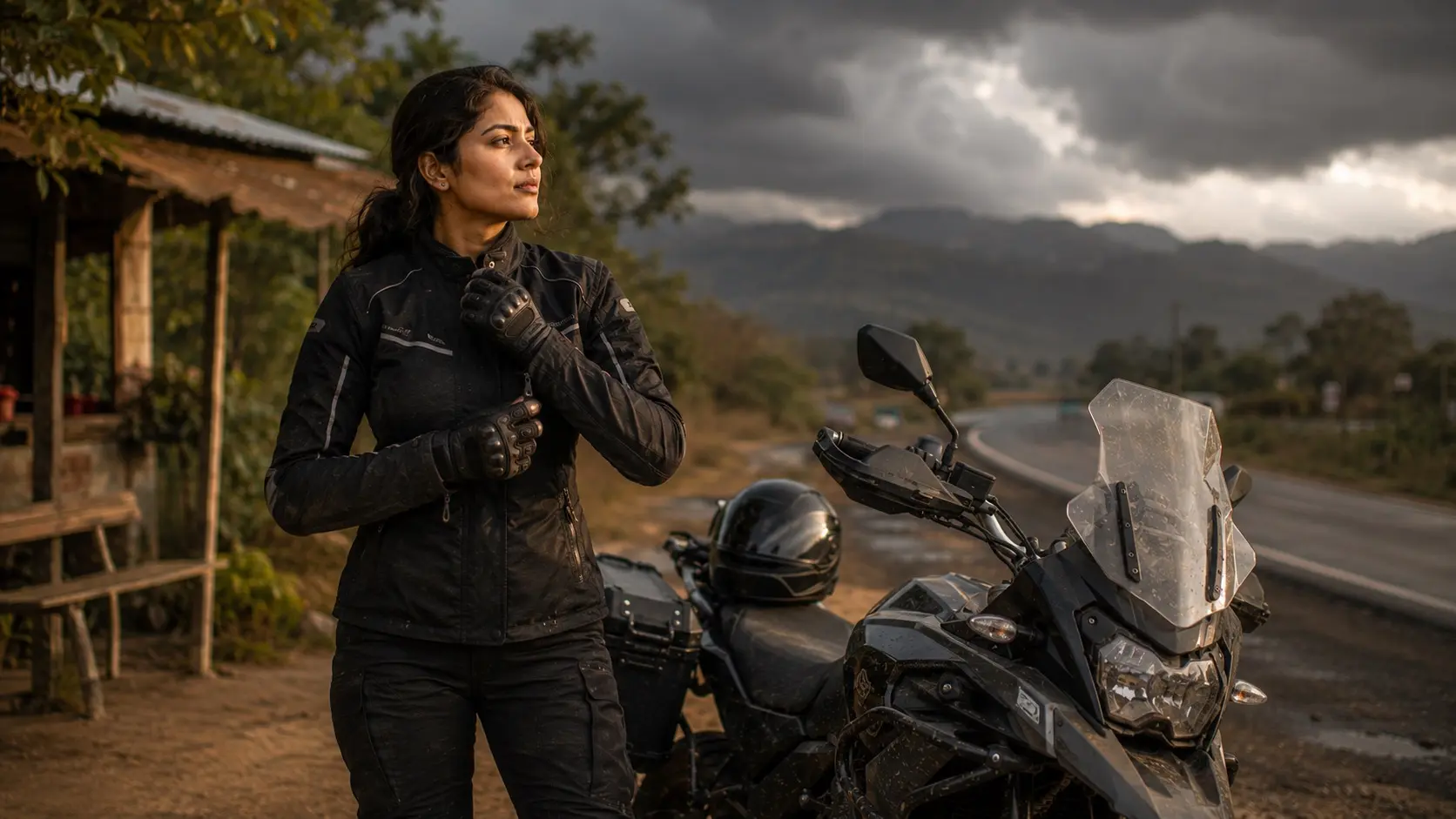
Eventually, preparation becomes part of the riding culture itself.
Not because riders fear bad weather.
Because they respect it.
Confidence Comes From Experience
Many riders begin by avoiding difficult weather conditions whenever possible.
There is nothing wrong with that.
But experience gradually changes perspective.
A rider who has safely navigated rain, heat, fog, and changing road conditions develops a different kind of confidence.
Not confidence based on speed or skill.
Confidence based on understanding.
The knowledge that conditions may change and that adaptation is always possible.
Final Thoughts
Indian weather has a way of teaching lessons that no riding course can fully replicate.
It teaches patience during heat, smoothness during rain, awareness during fog, and respect during challenging conditions.
Over time, riders begin to understand that weather is not an obstacle to riding.
It is part of the experience.
And the lessons learned from changing skies often stay with riders long after the journey itself has ended.