How Experienced Riders Scan the Road Differently
Learn how experienced riders observe traffic, hazards and road conditions long before they become problems.
Most riders believe experienced motorcyclists simply have quicker reactions.
Spend a day riding with one, however, and you’ll notice something different. They rarely brake suddenly. They seldom make abrupt steering corrections. Hazards seem to appear almost slowly for them, giving them plenty of time to respond calmly.
The secret is not faster reflexes.
It is that they have usually seen the situation developing long before everyone else.
Learning to scan the road effectively is one of the most valuable riding skills you can develop because it changes the way you think about riding rather than simply improving how you control the motorcycle.
Good Riders See More Than the Road Ahead
One of the biggest differences between a new rider and an experienced one is where their attention is focused.
New riders often look only a few metres ahead of the motorcycle, concentrating on the lane directly in front of them.
Experienced riders divide their attention much more broadly.
They are constantly gathering information from three different areas:
- The road immediately ahead.
- The traffic around them.
- The road developing further into the distance.
Their eyes are always moving.
Instead of reacting to surprises, they are building a picture of what is likely to happen next.
Look Far Enough to See Problems Developing
Many riding instructors encourage riders to “look further ahead.”
That advice is correct, but it is only half the story.
The important question is:
What are you actually looking for?
Experienced riders are not admiring the scenery.
They are watching for clues.
Things like:
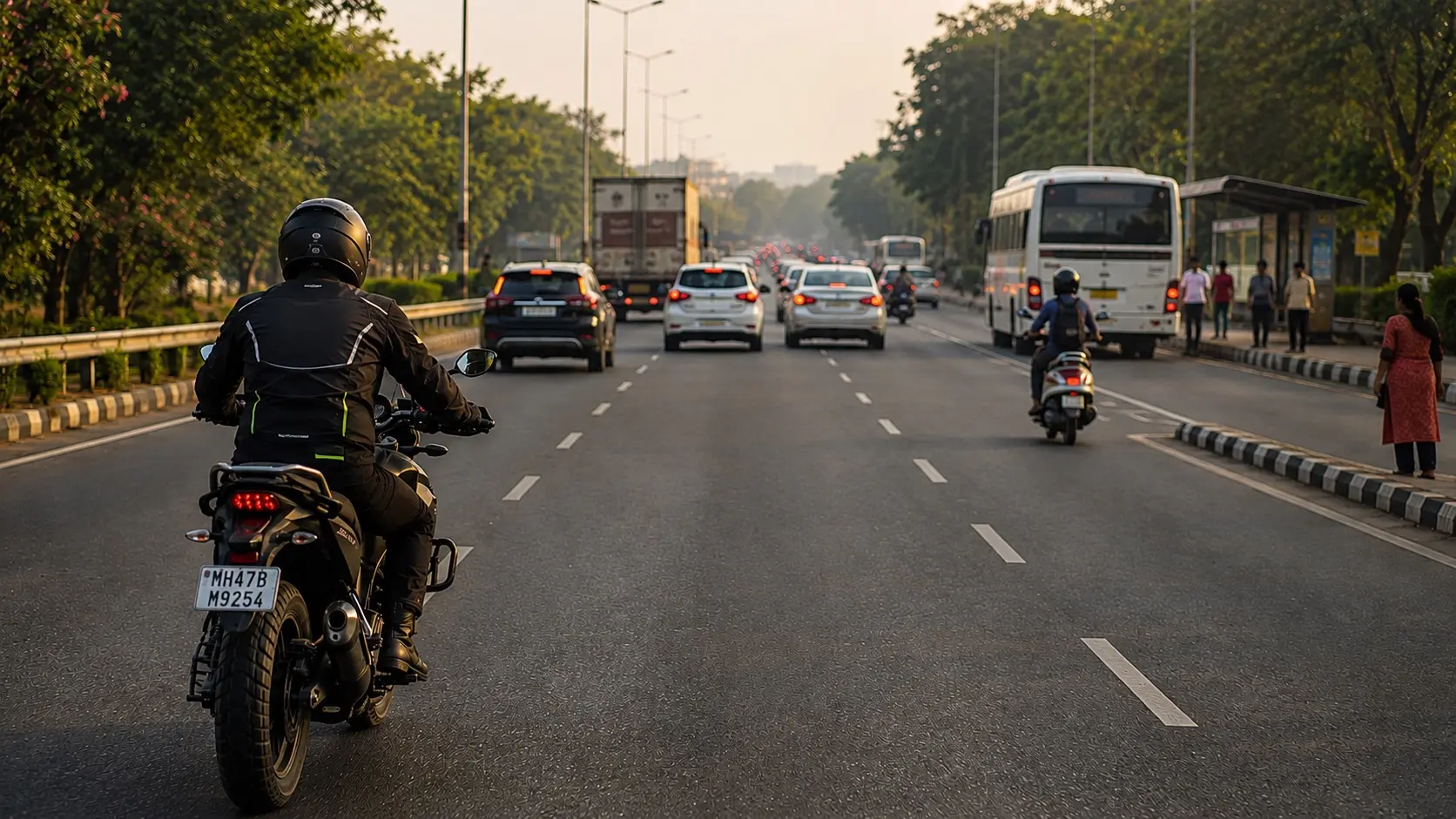
- Brake lights several vehicles ahead.
- Traffic beginning to bunch together.
- A bus slowing near a stop.
- A pedestrian approaching the edge of the road.
- A vehicle waiting at a junction.
Each clue tells a small part of the story.
By the time the rider reaches that section of road, they have already anticipated several possible outcomes.
Read Behaviour, Not Just Vehicles
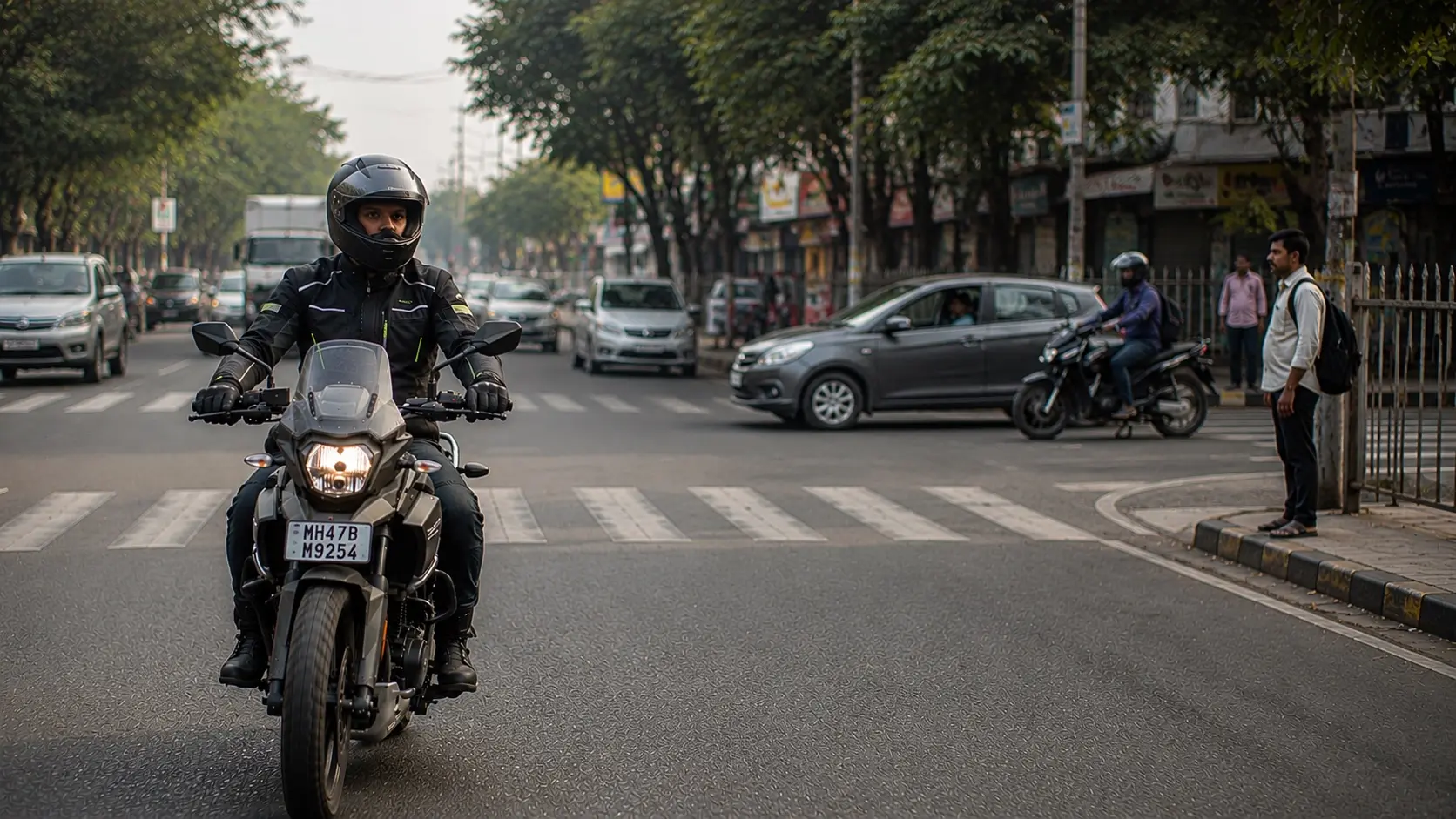
Experienced riders rarely think in terms of vehicles alone.
They think about behaviour.
Instead of seeing:
“A white hatchback.”
They notice:
“That driver keeps drifting towards the centre line.”
Instead of seeing:
“A delivery van.”
They notice:
“The van is slowing unexpectedly.”
Small movements often reveal a driver’s intentions before indicators or brake lights do.
Watching how road users behave gives you valuable time to prepare without making sudden reactions.
Build a Moving Picture
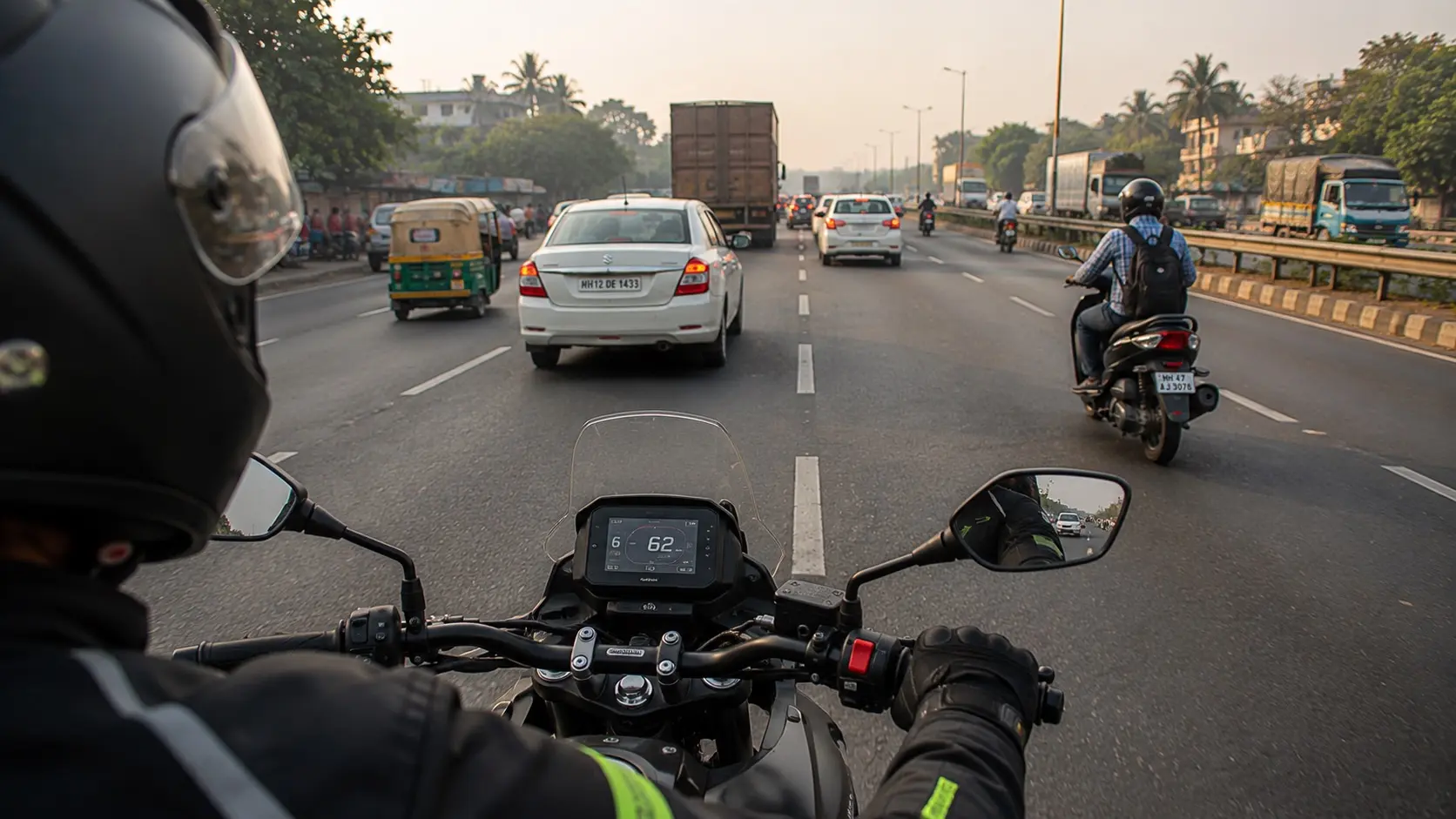
Rather than focusing on one point for several seconds, experienced riders constantly refresh the information around them.
Their attention moves naturally between:
- The road surface.
- The traffic ahead.
- Mirrors.
- Side roads.
- Pedestrians.
- Escape routes.
This continuous scan creates what feels like a moving picture of the road.
Nothing receives all of your attention.
Everything receives enough attention.
The result is a calmer, more complete understanding of what is happening around you.
Your Mirrors Tell Part of the Story
Many riders think of mirrors only when changing lanes.
Experienced riders use them much more often.
A quick glance before braking tells you whether another vehicle is following too closely.
Checking a mirror before moving around a pothole helps confirm that another motorcycle is not already alongside you.
Even during normal riding, regular mirror checks help you understand how traffic is flowing behind you.
The goal is not to memorise every vehicle.
It is simply to avoid being surprised.
Always Have Somewhere to Go
One habit separates experienced riders from almost everyone else.
They rarely rely on having only one option.
As they ride, they naturally identify possible escape routes.
If traffic slows suddenly:
Where is the empty space?
If a vehicle changes lanes unexpectedly:
Can you move left?
Should you remain behind?
Can you slow down smoothly instead?
Thinking this way does not make you anxious.
It makes you prepared.
Because the decision has already begun forming before you actually need it.
Practise Observation, Not Just Riding
Like every riding skill, observation improves with deliberate practice.
During your next ride, choose one thing to focus on.
Perhaps notice brake lights further ahead.
On another ride, pay attention to vehicles waiting at side roads.
On another, observe how pedestrians behave near crossings.
Over time these observations stop feeling like individual tasks.
They become part of the way you naturally ride.
That is exactly how experienced riders build awareness.
Not through special talent, but through thousands of small observations repeated over many years.
Final Thoughts
Experienced riders are not necessarily braver, faster or more talented than everyone else.
More often, they are simply processing information earlier.
They notice changing traffic, developing hazards and subtle changes in road conditions before they demand an immediate reaction.
That extra time allows every decision to become smoother.
Every brake application becomes calmer.
Every steering input becomes smaller.
Every ride becomes less stressful.
Perhaps the greatest lesson is this:
Experienced riders are not reacting faster.
They are reacting earlier.