Choosing a Touring Helmet for Long Distance Rides
Learn what matters when choosing a comfortable and practical touring helmet
Most riders choose their first helmet based on safety certification, price, or appearance.
Those factors matter, but once you start spending full days on the road, a different question becomes important.
How comfortable is the helmet after six or eight hours of riding?
Long distance touring places demands on a helmet that are very different from daily commuting. Wind noise becomes more noticeable. Weight matters more. Ventilation affects fatigue. Even small comfort issues can become frustrating after several hundred kilometers.
A good touring helmet should disappear from your thoughts while you ride. If you are constantly adjusting it, fighting wind noise, or dealing with hot spots, something is not right.
Touring Helmets Are Different From Commuting Helmets
Many riders successfully use the same helmet for commuting and touring.
However, touring places greater emphasis on:
- Long-term comfort
- Wind management
- Ventilation
- Noise reduction
- Visor quality
A helmet that feels fine during a twenty minute commute may become tiring during an entire day on the highway.
That is why touring riders often become far more selective about helmet choice.
Fit Comes Before Everything Else
The most expensive touring helmet in the world is useless if it does not fit correctly.
A proper fit should feel:
- Snug around the cheeks
- Secure around the crown
- Firm without creating pressure points
The helmet should not move excessively when you shake your head.
Many new riders mistakenly choose helmets that feel comfortable in the showroom because they are slightly loose. Over time, helmet padding compresses and the fit becomes even looser.
A touring helmet should fit correctly from the beginning.
Weight Matters More Than You Think
Helmet weight rarely feels important during short rides.
During long distance touring, the story changes.
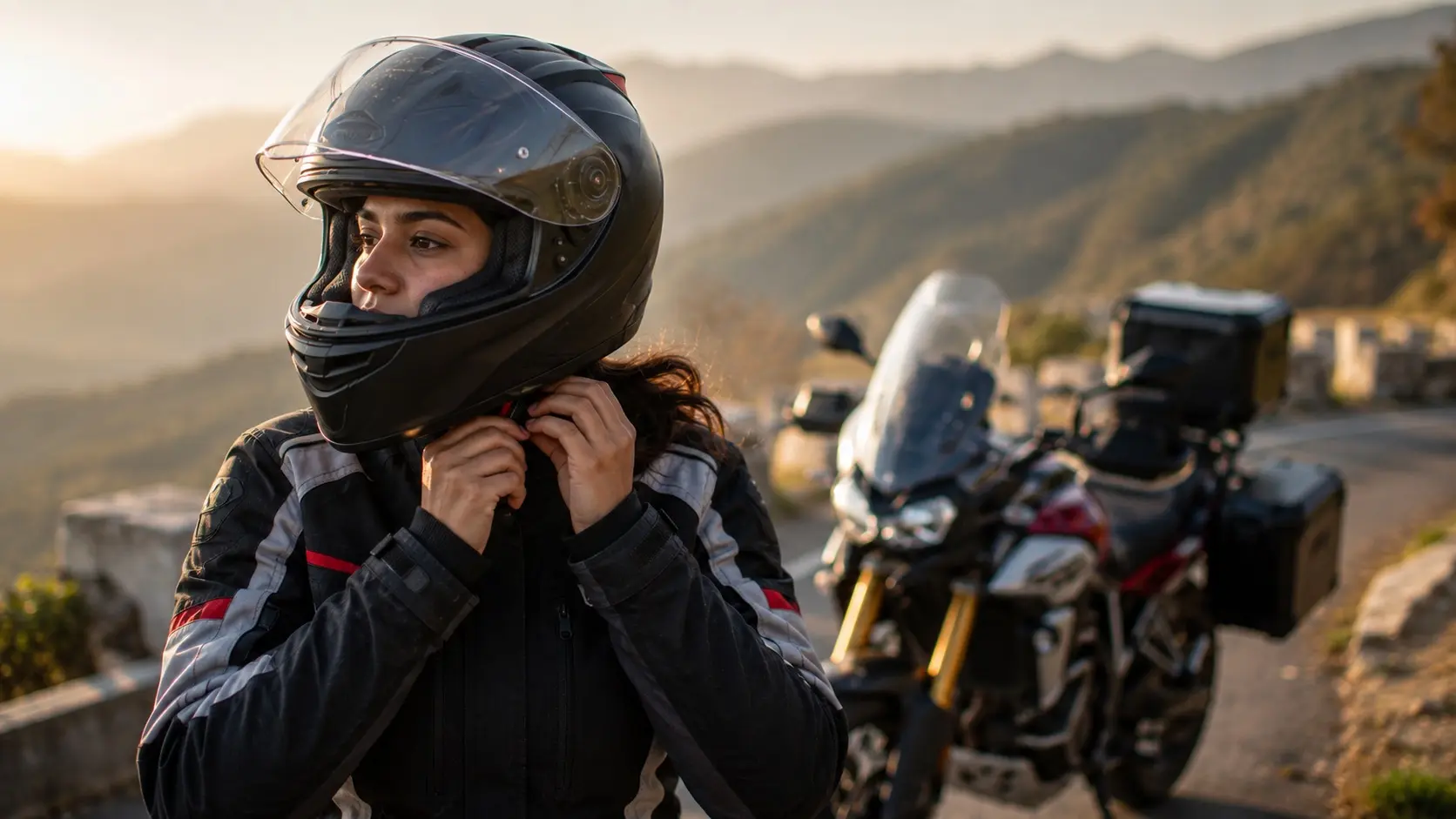
Hours of wind pressure and constant head movement can create:
- Neck fatigue
- Shoulder tension
- General rider exhaustion
A lighter helmet often improves comfort significantly.
That does not mean choosing the lightest helmet available. It means finding a balance between safety, comfort, and practicality.
Wind Noise Can Cause Fatigue
One of the least discussed touring challenges is wind noise.
Even riders who wear earplugs often notice:
- Constant helmet roar
- Wind buffeting
- Increased fatigue
A well-designed touring helmet usually includes:
- Better visor sealing
- Improved neck roll design
- More aerodynamic shaping
These features help reduce noise and improve overall comfort.
After several hours on the highway, the difference becomes obvious.
Ventilation Is Critical
Many touring rides happen during warm weather.
A helmet with poor airflow can lead to:
- Excessive sweating
- Discomfort
- Reduced concentration
Look for:
- Effective intake vents
- Functional exhaust vents
- Good internal airflow channels
Ventilation should continue working even at moderate speeds.
A helmet that feels cool and comfortable helps reduce rider fatigue throughout the day.
Visor Quality Matters
The visor becomes your window to the world.
A good touring visor should offer:
- Clear optics
- Smooth operation
- Reliable sealing
- Good visibility in changing light
Poor optical quality may not be obvious initially, but it can contribute to eye strain during long rides.
Anti-fog capability also becomes valuable when riding through changing weather conditions.
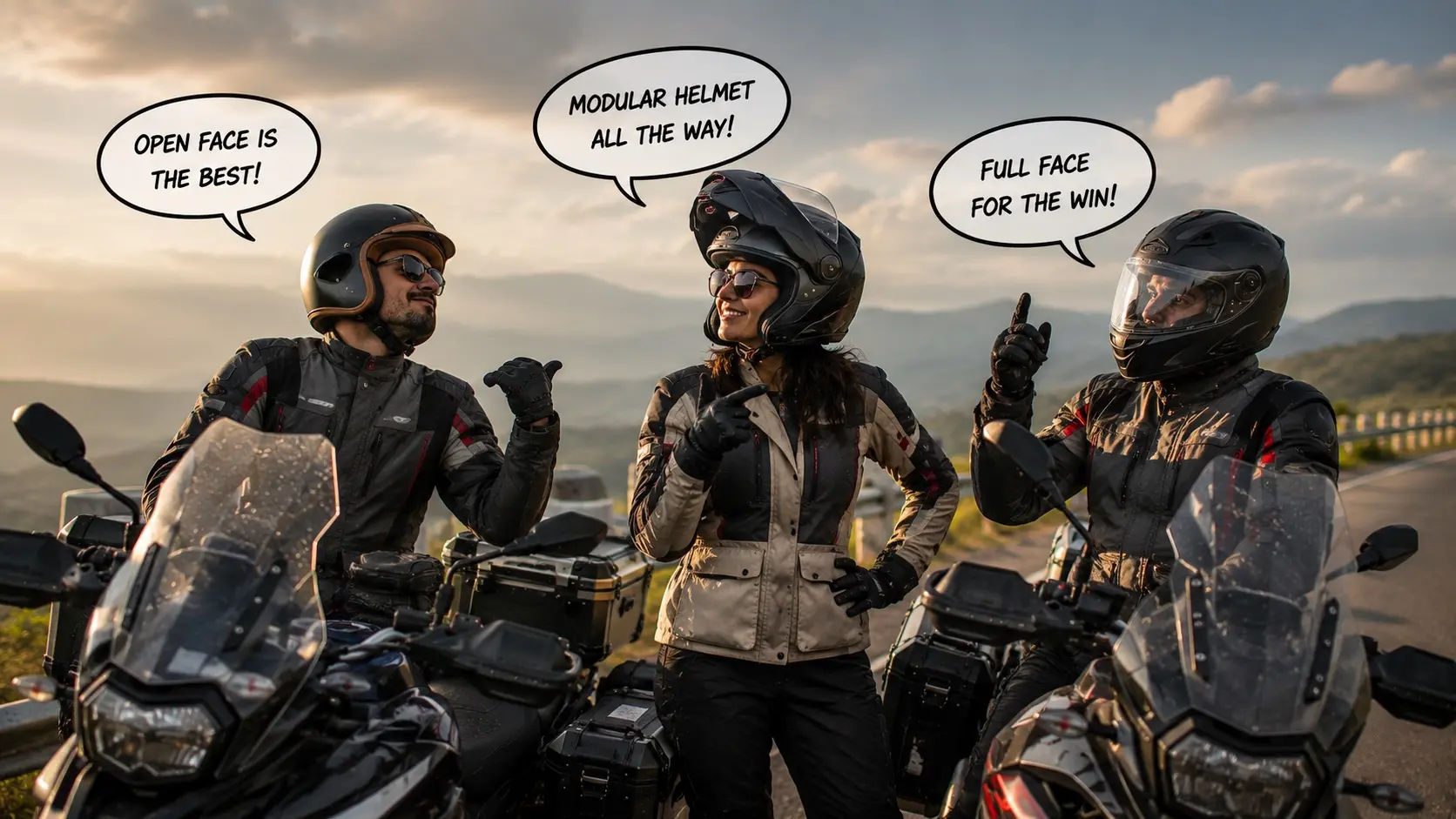
Full Face Versus Modular Helmets
Touring riders often debate this choice.
Full Face Helmets
Benefits:
- Generally lighter
- Better aerodynamic performance
- Often quieter
Limitations:
- Less convenient during stops
Modular Helmets
Benefits:
- Easier communication
- Convenient at fuel stops
- Useful during touring breaks
Limitations:
- Usually heavier
- Can be slightly noisier
Both can work well for touring.
The best option depends on your riding style and priorities.
The Importance of Sun Protection
Long hours in bright sunlight can become tiring.
Many touring riders appreciate:
- Internal sun visors
- Tinted visor options
- Effective eye protection
These features improve comfort and reduce eye strain throughout the day.
Features Worth Paying For
Not every premium feature is necessary.
Features that genuinely improve touring comfort include:
- Better ventilation
- Improved visor systems
- Lower noise levels
- Better interior comfort
- Quality liners
These benefits are often noticeable every time you ride.
Features That Matter Less
Some features receive a lot of marketing attention but provide limited real-world value.
Examples include:
- Aggressive styling
- Excessive graphics
- Race-inspired features that are unnecessary for touring
Touring riders usually become more interested in comfort than appearance.
Real World Touring Perspective
Experienced touring riders often discover that comfort affects enjoyment more than outright performance.
A comfortable helmet:
- Reduces fatigue
- Improves concentration
- Makes long days more enjoyable
The best touring helmet is rarely the flashiest option.
Instead, it is the one that performs consistently hour after hour.
Final Thoughts
Choosing a touring helmet is about more than safety certification alone.
For long distance rides, factors such as fit, comfort, ventilation, visor quality, and wind management become equally important.
The right helmet allows you to focus on the ride rather than the equipment.
And when the kilometers begin adding up, that comfort becomes one of the most valuable features a rider can have.