The Quiet Trust of Riding Two-Up
How ordinary two-up rides create an unspoken relationship of trust, responsibility and familiarity between rider and pillion.
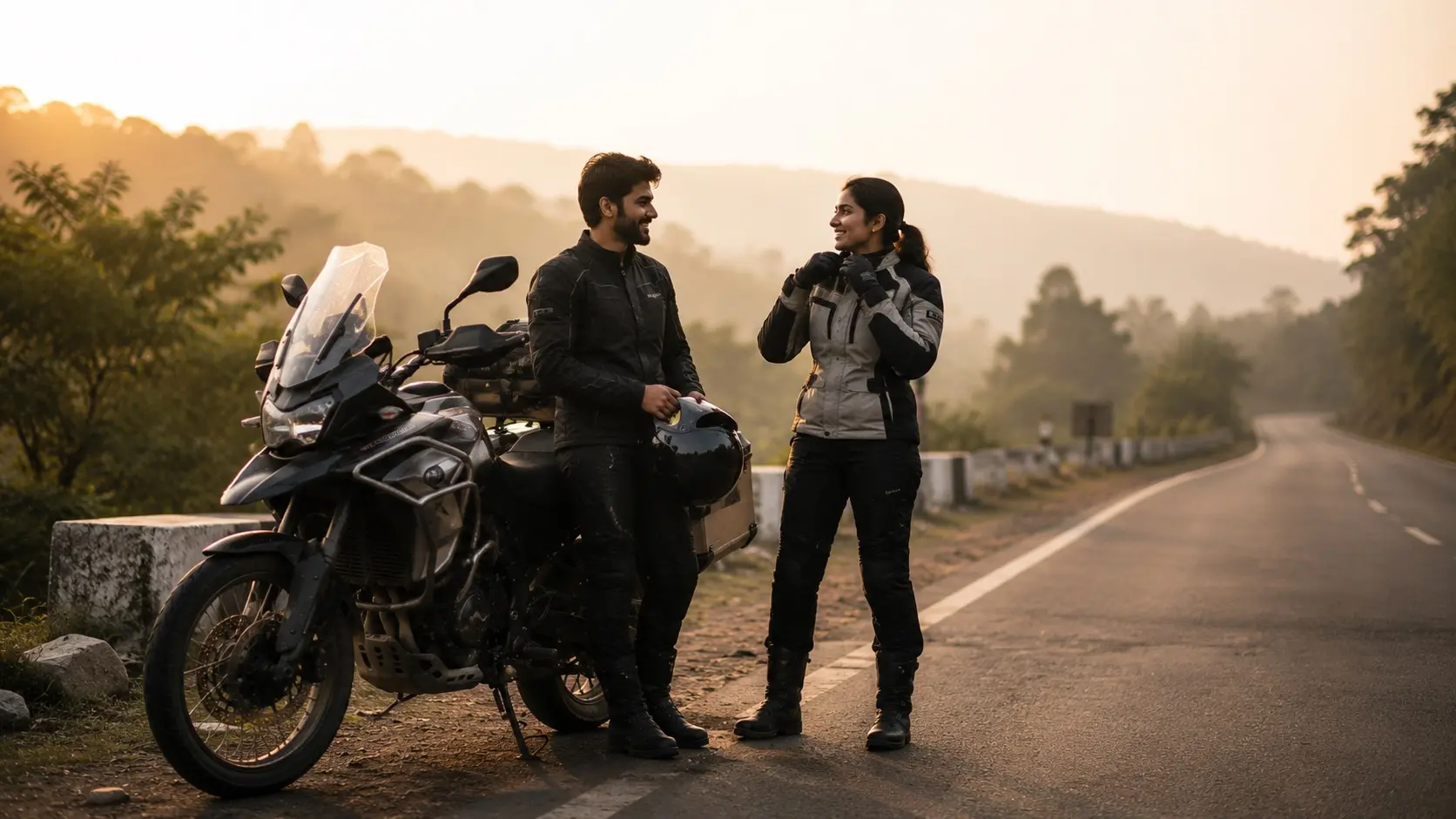
There is usually a small pause before a two-up ride begins.
The rider is ready. The pillion settles into place. There may be a glance, a brief adjustment or simply an extra moment before the motorcycle moves.
Nothing important appears to have happened.
Yet the relationship that defines the ride is already present.
One person will control the motorcycle. Two people will experience everything it does. Between them sits a form of trust that rarely needs to announce itself.
Before The Motorcycle Moves
Riding two-up changes an ordinary departure.
When riding alone, the moment of leaving belongs entirely to the rider. The motorcycle moves when the rider is ready, stops when the rider chooses and follows a rhythm shaped by one person.
With a pillion, readiness becomes shared.
The rider waits for someone else to settle. The pillion places confidence not only in the motorcycle, but in the person controlling it. Both become more conscious of movements that would otherwise pass without thought.
This does not necessarily involve a conversation. Pairs who have ridden together for long enough often recognise the moment naturally. There is no ceremony to it. They simply know when the ride is ready to begin.
That familiarity can make a routine journey feel almost effortless. But beneath it is something significant: two people agreeing, quietly, to share an experience neither can control alone.
One Motorcycle, Two Experiences
A rider and pillion travel along the same road, but they do not experience it in the same way.
The rider sees the road through decisions. Traffic, space, pace and the changing movement of the motorcycle all demand attention.
The pillion experiences many of those decisions only after they have been made. The motorcycle accelerates, slows or changes direction through another person’s judgement.
That difference creates an unavoidable vulnerability.
Trust, however, is not the absence of awareness. A pillion may notice hesitation, impatience or calm just as clearly as the rider feels changes in traffic. The passenger is not disconnected from the ride. They experience its rhythm through the person in front of them.
The rider feels the pillion’s presence too. Comfort, uncertainty and growing familiarity can become apparent without either person explaining them.
Two-up riding is therefore not simply one person operating a motorcycle while another occupies the remaining seat. It is a continuous awareness of someone else.
A Language Without Conversation
Motorcycles leave little room for ordinary conversation.
Traffic, helmets, wind and the concentration required by the road can reduce communication to a few small gestures. Yet riders and pillions often develop an understanding that works without complete sentences.
A familiar pause can mean someone needs a moment. A change in posture can reveal discomfort. The way a pillion settles after the motorcycle begins moving can tell the rider whether the journey feels natural or uncertain.
These are not formal signals. They are observations gathered over time.
Every pair develops its own degree of familiarity. Some remain verbally communicative whenever they stop. Others seem to understand each other with very little discussion. Neither approach is more authentic.
What matters is the attention underneath it.
Trust grows when both people feel noticed. The pillion recognises that the rider is accounting for their presence. The rider recognises that the person behind them is not passive cargo, but part of the experience.
Trust Is Built On Ordinary Roads
It is easy to associate trust with difficult journeys.
Mountain passes, unfamiliar highways and long days on the motorcycle appear to provide the obvious tests. Yet the foundations are usually laid somewhere less dramatic.
The daily commute.
A short ride across the city.
An evening errand.
The familiar road to a weekend breakfast stop.
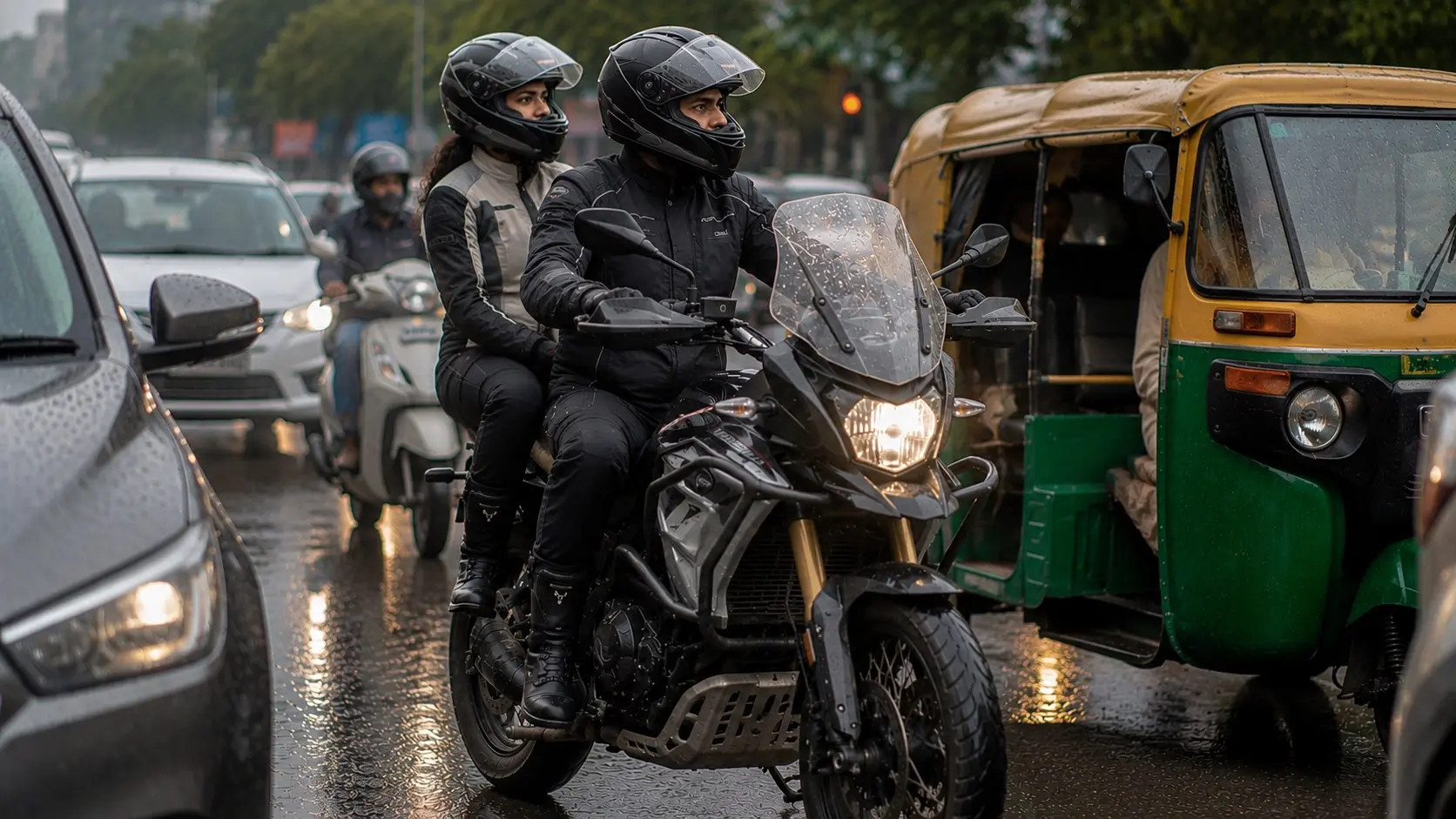
Repetition allows both people to understand how the other experiences the motorcycle. The pillion becomes familiar with the rider’s rhythm. The rider becomes more conscious of how small decisions affect someone else.
Nothing needs to go wrong for this understanding to deepen.
That is what makes two-up trust easy to overlook. It is rarely created by one defining moment. It accumulates through journeys that may not seem memorable at the time.
The same junctions. The same traffic signals. The same brief pause after arriving.
Eventually, what once required conscious attention begins to feel familiar. Not because responsibility has disappeared, but because consideration has become part of the ride.
Responsibility Without Performance
Carrying another person can make a rider more conscious of responsibility.
The ride no longer concerns only personal comfort or preference. Every decision is experienced by someone who has entrusted the rider with a degree of control.
That responsibility can easily be described in dramatic terms, but its most meaningful expression is usually ordinary restraint.
There is no audience to impress. No reason for the ride to become a performance. The pillion is not present to witness what the rider can make the motorcycle do.
The strongest trust often develops when there is nothing to prove.
A calm journey communicates something that words cannot. It tells the pillion that their presence matters. It tells them that the rider understands the difference between riding alone and sharing the motorcycle.
For the rider, this consideration does not diminish the experience. It changes its meaning.
The motorcycle is no longer offering independence alone. It is making companionship possible.
The Pillion Is Part Of The Journey
The word “passenger” can make the pillion sound incidental.
It suggests someone being carried between two places while the rider has the real experience. That description misses much of what happens during a shared ride.
The pillion notices the changing weather. They feel the character of the road. They experience the long stretches, the crowded streets and the welcome relief of a stop. They remember the journey from a different physical and emotional position, but it remains their journey too.
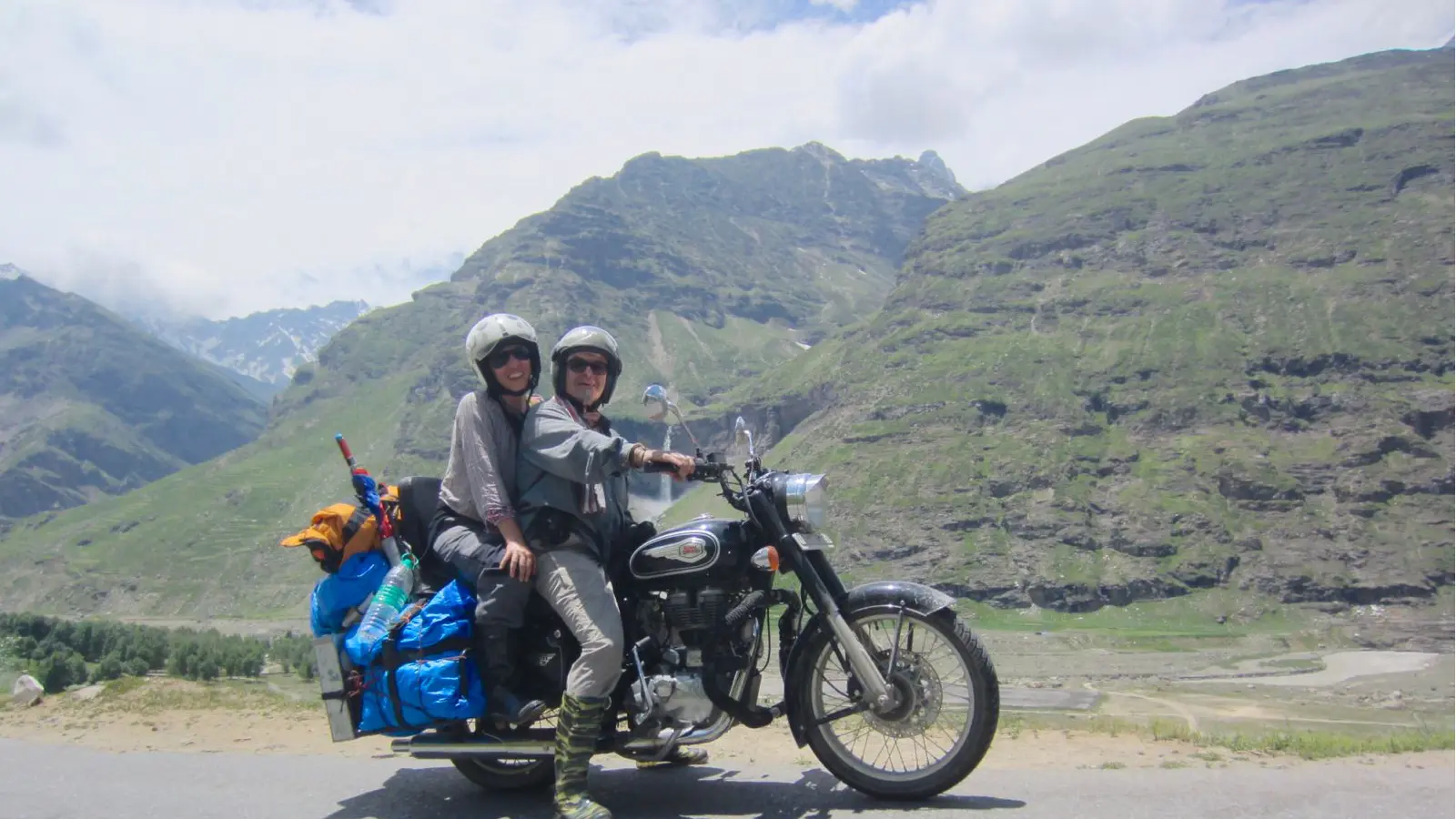
Our travel feature The Roads Worth Taking offers a clear example. Delphine Tetenoire was not treated merely as a passenger on Zeev Tankus’s Himalayan journey. Her comfort formed part of the motorcycle’s preparation, and her presence shaped the decisions through which the journey was made.
Most two-up rides are far less ambitious. Their value does not depend on distance.
A pillion on a familiar commute may still influence when the journey begins, where it pauses and how it is remembered. The motorcycle creates a shared experience even when the destination is entirely ordinary.
Different Relationships Share The Same Seat
Two-up riding is not limited to one kind of relationship.
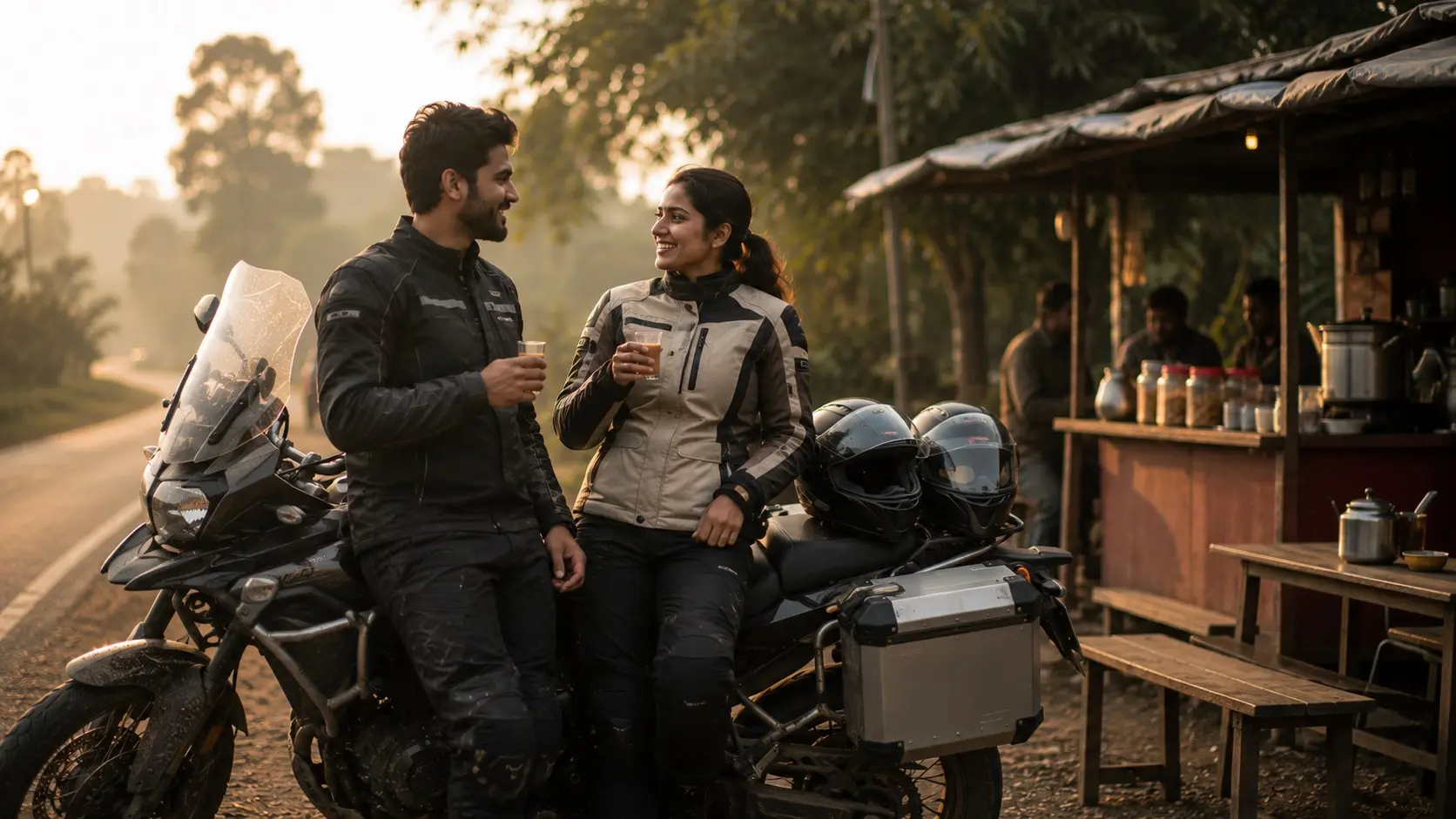
The person behind the rider may be a partner, sibling, parent or friend. Each relationship brings its own familiarity, expectations and reasons for sharing the motorcycle.
For some, riding together is an occasional part of a weekend. For others, it is woven into daily life. The same motorcycle may carry one person to work during the week and become a shared escape on Sunday morning.
The emotional meaning changes with the people involved.
A friend may bring easy conversation to every stop. A family member may place a different kind of confidence in the rider. A long-term partner may know the rhythm of the journey so well that very little needs to be said.
Not every pillion enjoys the same degree of involvement. Not every rider experiences the responsibility identically. Trust should not be treated as automatic simply because two people share a seat.
It is something each pair develops—or sometimes fails to develop—through attention and experience.
This is what separates two-up riding from the independence explored in Why Some Riders Prefer Riding Alone. A solo rider can follow a personal rhythm without negotiation. Two-up riding asks that rhythm to make room for another person.
A Partnership Different From Group Riding
There is also trust within a group ride.
Riders depend on one another to remain predictable, respect the pace and account for the people around them. The Unwritten Rules Of Group Riding In India explores how that shared responsibility holds separate motorcycles together.
Two-up trust is quieter and more immediate.
A group member still controls their own motorcycle. A pillion does not. Rider and pillion share every movement of the same machine while experiencing different levels of control.
That imbalance makes consideration essential.
The rider cannot assume that silence means complete comfort. The pillion cannot participate in every road decision directly. Both rely on familiarity, attention and the confidence that uncertainty can be communicated when necessary.
The partnership works not because both people have equal control, but because neither person treats the other’s experience as unimportant.
What Remains After The Ride
When the motorcycle stops, the two experiences separate again.
The rider may remember the road through decisions: the traffic that required patience, the stretch that found a comfortable rhythm or the moment the journey began to feel easy.
The pillion may remember different details. The changing air, the view beyond the rider’s shoulder, the reassurance of a calm pace or the feeling of arriving together.
Neither version is more complete.
They overlap without becoming identical.
Perhaps this is why shared rides can remain meaningful long after their practical purpose is forgotten. The destination may have been ordinary. The road may have been familiar. Yet the journey asked two people to place confidence in each other in a way few everyday experiences do.
Final Thoughts
The trust between rider and pillion is rarely expressed through grand gestures.
It appears in the pause before moving. In the awareness that another person is present. In the responsibility accepted by the rider and the confidence offered by the pillion.
Over time, these small moments become part of the relationship.
The motorcycle does not create trust by itself. It gives trust somewhere to become visible.
One person holds the controls.
But the ride belongs to both.